This is one of the most common questions in our inbox, usually paired with a browser tab full of flight prices and a nagging doubt: is a small, dry, relatively expensive island really worth it over a bigger, greener, cheaper destination? We live on Aruba, we have spent this entire site comparing it honestly against a dozen other islands, and we are not going to dodge the question with a blanket yes. Here is the real, unhedged verdict, the genuine upsides, the real downsides, and exactly who should book and who should look elsewhere.
The Short, Honest Verdict
For most travelers, yes, Aruba is worth it, and it earns that verdict for a narrower set of reasons than the postcards suggest. It is one of the most weather-reliable, easy-to-navigate, low-risk beach destinations in the Caribbean, which matters enormously if you are booking non-refundable flights months in advance and cannot afford a washed-out week. It is also, honestly, one of the pricier islands in the region, and it is a genuinely arid desert island rather than a lush green one. If either of those two facts changes your answer, keep reading before you book, because Aruba is not the right fit for every traveler, and we would rather tell you that now than after you have landed.
Want a local to plan the whole trip?
Our concierge builds your days around what you actually want, from $149. Real people who live in Aruba.
Why Aruba Is Worth It
Start with the weather, because it is the single biggest reason people end up here rather than somewhere flashier. Aruba sits well south of the main Atlantic hurricane track, and no storm has made a direct hit on the island in the entire NOAA hurricane record, which goes back to 1851 (our hurricane season guide has the full geography behind that, including the closest historical brushes). Daytime temperatures hold in the low-to-mid 80s Fahrenheit nearly year-round, and the island is genuinely dry, one of the driest in the Caribbean. A week here carries very little real risk of a rained-out or storm-canceled trip. If you are booking a wedding, an anniversary trip, or any vacation you cannot afford to have derailed by weather, that reliability alone is worth a lot.
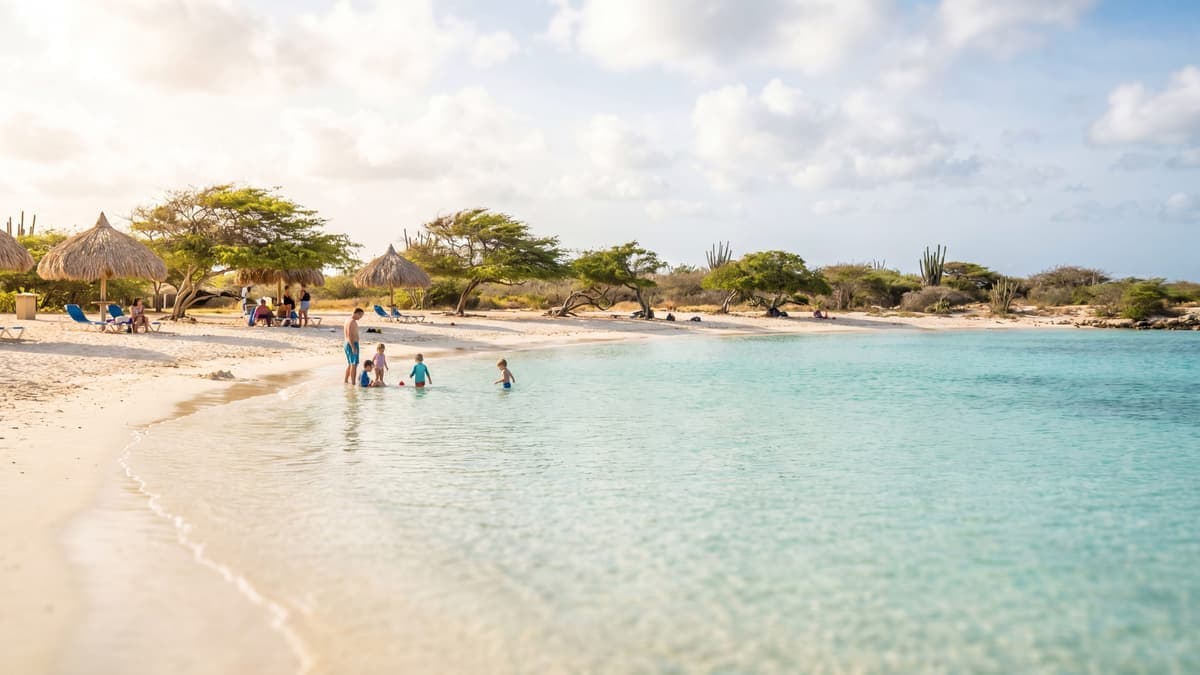
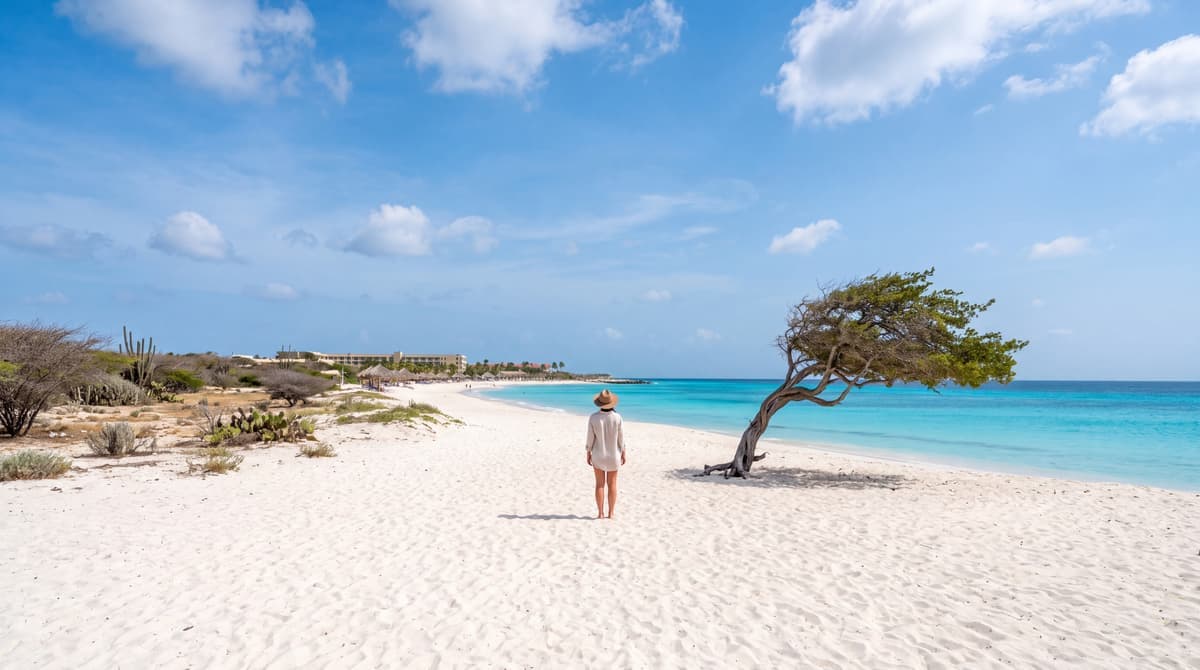
Then there are the beaches. Aruba's western coast is sheltered from the open Atlantic, so Eagle Beach and Palm Beach stay calm, clear, and swimmable essentially every day of the year, not just on a lucky afternoon. Eagle Beach was ranked the No. 3 beach in the entire Caribbean in TripAdvisor's 2026 Travelers' Choice awards, and Baby Beach on the island's southeastern tip adds a shallow, lagoon-calm option that is especially good for young kids and nervous swimmers. That kind of day-after-day consistency is rare. Plenty of Caribbean islands have one spectacular beach and a handful of unpredictable ones. Aruba's whole leeward coast performs.
Aruba is also genuinely safe. It carries a Level 1 rating from the US State Department, the lowest risk category the agency issues, and it consistently ranks among the top five safest destinations in the Caribbean. The most common issues visitors actually run into are sunburn and an unattended phone left on a beach towel, not anything more serious. We go through the honest specifics, including the handful of areas worth a bit more awareness after dark, in our Aruba safety guide.
And it is simply easy. Aruba has nonstop flights from around 16 US airports, with East Coast flight times of roughly 4 to 4.5 hours and about 3 hours from Miami, and the airport offers US Customs preclearance, so you clear customs before you fly home and land back in the US as a domestic passenger. The US dollar is accepted everywhere, English is spoken alongside Papiamento and Dutch, and the island itself is small enough to cross in under an hour, so renting a car and finding your own rhythm is genuinely simple. Our guide to getting to Aruba covers every current route.
Where Aruba Falls Short (the Honest Cons)
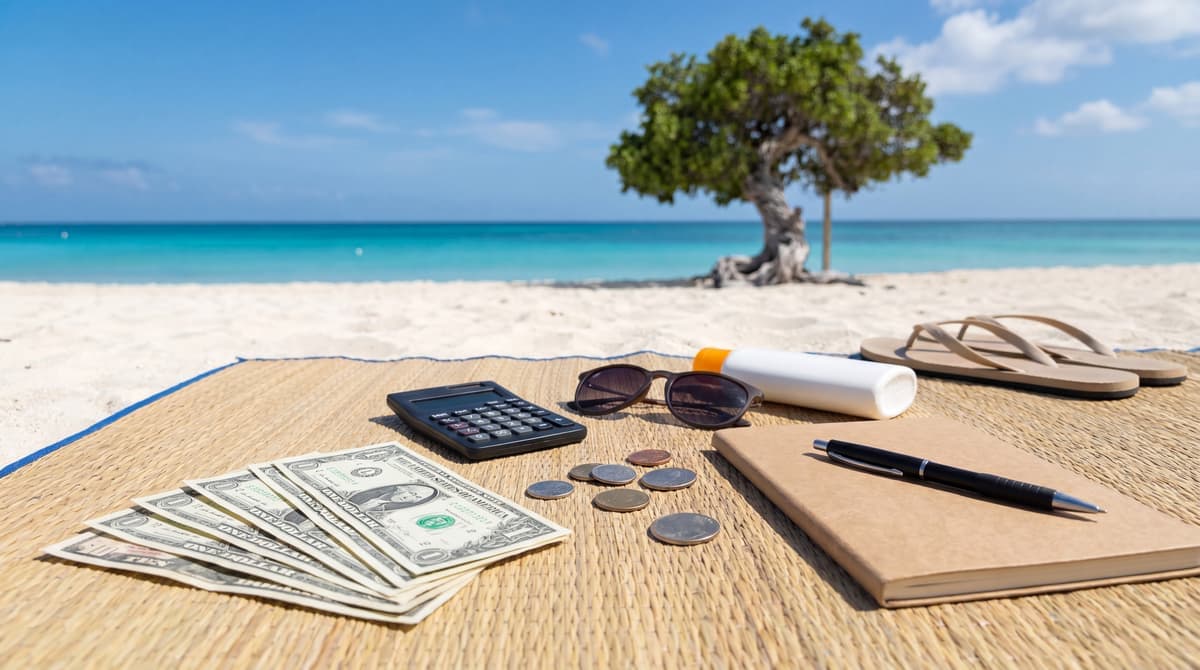
Now the real cons, because a guide that only tells you the good parts is not honest. Aruba is one of the pricier islands in the Caribbean. For a 7-night trip with flights, a mid-range hotel, a rental car, a few booked activities, and a couple of nicer dinners, budget around $4,800 for a couple or $6,000 for a family of four, with a mid-range couple spending roughly $475 a day once they are on the ground. Our Aruba vacation cost guide breaks that down by traveler type and season. If your top priority is the cheapest possible all-inclusive week, several other islands beat Aruba on raw price.
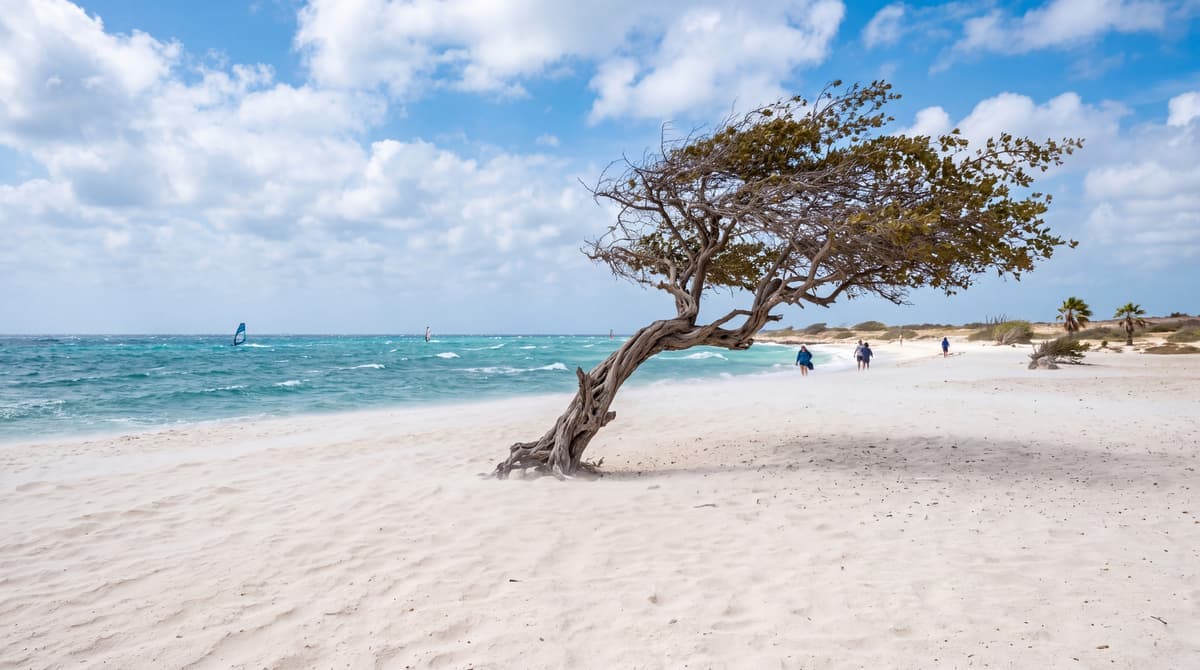
It is also a desert island, and that surprises more first-time visitors than you would expect. Aruba's interior is cactus, scrubland, and wind-carved divi-divi trees, not rainforest. There are no waterfalls, no dramatic green mountains, and no jungle hikes here. The landscape is dry and rugged rather than lush. If your mental picture of a Caribbean vacation includes waterfalls and tropical greenery, Aruba will not deliver it, and it is worth knowing that before you compare it against a genuinely lush island.
The trade winds are also close to a daily constant, typically blowing 15 to 22 mph with stronger gusts on breezier days, year-round including winter. It is a huge part of why Aruba's beaches stay comfortable in the heat and why the island has a real windsurfing and kitesurfing culture, but it also means beach umbrellas need to be anchored, hats blow off, and a handful of visitors find the wind genuinely tiring by the end of a week. Our full breakdown of just how windy Aruba gets covers the seasonal pattern, including the calmer stretch each fall.
The Palm Beach strip, the most-booked stretch on the island, is also genuinely developed. It is lined with high-rise resorts, jet skis, parasailing boats, and beach bars running music through the afternoon, which is exactly what a lot of visitors want and exactly what a smaller group of visitors is trying to avoid. If a quiet, uncrowded beach is the priority, Eagle Beach a few minutes south is the better call, but it is worth knowing upfront that Aruba's most famous strip is a busy one, not a secluded one.
One more honest note: the island's windward east coast does collect sargassum seaweed at times, particularly through the spring and summer months. The main tourist beaches on the calm western side are shielded from most of it by the same trade winds and get cleaned regularly, so it rarely affects the beaches most visitors actually swim at, but we would rather flag it than pretend the island is somehow immune. Our sargassum guide has the honest, month-by-month breakdown.
Who Aruba Is Perfect For
Put those pros and cons together and a clear traveler profile emerges. Aruba is close to ideal if you want dependable sun and close to zero weather risk, especially if you are booking a wedding, honeymoon, or any non-refundable trip months out. It suits travelers who would rather rent a car and build their own days than stay parked at a resort pool for a week, snorkeling a different beach every morning and picking a new restaurant every night, and our things to do guide gives a sense of how much of the island rewards that kind of exploring. It is also a strong pick for first-time Caribbean travelers and safety-conscious families who want the lowest-friction trip possible: US dollars, English, a Level 1 advisory, and an airport that clears US customs before you even leave. And because the beaches stay calm nearly every day, it suits families with young kids, older travelers, and anyone who wants to know the water will actually be swimmable when they get there. Once you are sold, our where to stay guide and hotels page are the place to start narrowing down a base, and our best time to visit guide can help you land on dates.
Browse 32 vetted Aruba experiences
Most confirm instantly with free cancellation up to 24h, and 4 of them are free.
Who Should Look Elsewhere
Just as honestly, a few kinds of travelers will probably be happier somewhere else. If the lowest possible price for an all-inclusive week is your top priority, our Aruba vs Jamaica and Aruba vs Punta Cana comparisons both show islands that beat Aruba on raw cost. If lush rainforest, waterfalls, and dramatic green mountains matter more to you than guaranteed sun, Aruba vs Hawaii lays out why a wetter, greener destination might suit you better. If you want a whole archipelago to island-hop rather than one compact island, our Aruba vs Bahamas guide covers that trade-off, and if you would rather have more diving, a bigger cultural scene, and a lower price tag, Aruba vs Curacao is worth a read too. And if constant wind genuinely bothers you, or a busy, developed beach strip sounds like the opposite of a vacation, weigh that seriously before you book, because it is not something a nicer hotel room fixes. Travelers looking for a louder party scene after dark should also check our Aruba nightlife guide first; Aruba has a real scene, but it is not built around it the way some islands are.
Our Verdict
Aruba earns its reputation, but not by being everything to everyone. It is worth it if what you actually want is a reliable, easy, safe week with calm water and warm sun you can plan around with real confidence. It is not worth it if you are chasing the cheapest possible price tag or a lush, green, waterfall-filled landscape. Be honest with yourself about which list matters more, and the decision gets easy. If Aruba sounds like your island, our trip planner can help you build the actual week, starting with how many days you actually need and which beach to base yourself on.