Aruba consistently ranks as one of the safest islands in the Caribbean, and after spending extensive time on the ground here, we can confirm that reputation is well earned. But no destination is perfect, and you deserve an honest assessment rather than a tourism brochure. Here is our complete safety guide covering everything from crime statistics to natural hazards, so you can visit with confidence and awareness.
Aruba's Safety Reputation: The Big Picture
Aruba is a constituent country of the Kingdom of the Netherlands, which means it benefits from Dutch governance standards, a well-trained police force, and strong rule of law. The island depends almost entirely on tourism for its economy, and the government takes visitor safety extremely seriously.
The violent crime rate against tourists is remarkably low. According to the Korps Politie Aruba (KPA), serious crimes against visitors are rare isolated incidents rather than systemic problems. The most common issues tourists face are petty theft, sunburn, and the occasional rental car fender bender.
To put this in perspective, Aruba receives over 1.5 million visitors per year and consistently ranks in the top five safest Caribbean destinations alongside the Cayman Islands, Bermuda, Curacao, and the British Virgin Islands. The U.S. State Department classifies Aruba at Level 1, which is the lowest risk category and the same rating given to countries like Canada, Iceland, and Japan.
That said, Aruba is not a gated resort. It is a real place with real people, and applying the same common sense you would use in any destination is important.
Want a local to plan the whole trip?
Our concierge builds your days around what you actually want, from $149. Real people who live in Aruba.
Safe Areas for Tourists
The vast majority of tourist areas in Aruba are extremely safe, even after dark.
Palm Beach Hotel Strip
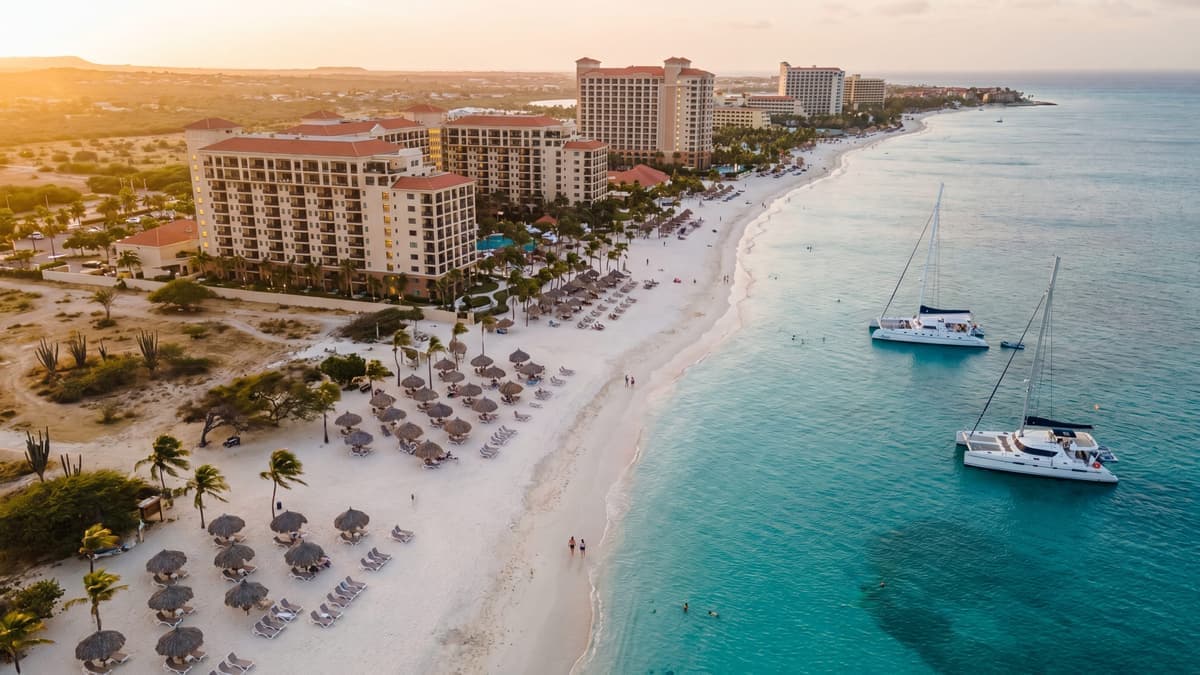
The high-rise hotel corridor along J.E. Irausquin Boulevard is the most heavily visited area on the island and is very safe at all hours. The strip is well-lit, well-patrolled, and populated with tourists around the clock. Walking from the Riu to the Marriott at midnight is perfectly fine. The beach itself is monitored, and the presence of hotel security adds an extra layer of comfort.
Eagle Beach
The low-rise hotel area around Eagle Beach is even quieter and safer than Palm Beach. The atmosphere is more residential and relaxed. Walking the beach at sunset or after dinner is one of the great pleasures of staying here and is entirely safe.
Oranjestad
The capital city is safe during the day and largely safe at night, particularly along the waterfront promenade, the Royal Plaza area, and the main shopping streets on Caya G.F. Betico Croes. The Renaissance Marina area is well-lit and popular with both tourists and locals in the evening. Oranjestad has seen some revitalization efforts in recent years, and the downtown area feels welcoming.
Savaneta and San Nicolas
The south side of the island is home to local communities and sees fewer tourists, but both Savaneta and San Nicolas are safe to visit during the day. San Nicolas in particular has transformed thanks to its street art program and is a must-visit. We recommend exploring the south side during daylight hours and heading back to your hotel area by evening, simply because there is less going on there at night rather than any specific safety concern.
Arikok National Park
The national park is safe for hiking and exploration. The main trails to the Natural Pool (Conchi), the caves, and Boca Prins are well-marked. However, hike with a partner if possible, carry water, and let someone know your plan. Cell service can be spotty in the park interior. Entry costs $11 per person and the park is open from 8 AM to 4 PM.
Areas to Exercise Caution
No area in Aruba is truly dangerous in the way that certain neighborhoods in larger cities might be, but there are a few places where extra awareness is warranted.
San Nicolas at Night
While San Nicolas is being revitalized and the street art district is wonderful during the day, some streets in the older commercial area can be quiet and poorly lit at night. If you are visiting for a specific restaurant or event, you will be fine, but aimless wandering through the back streets after dark is not recommended.
Dakota and Certain Oranjestad Side Streets
The neighborhood of Dakota, which is near the airport and adjacent to Oranjestad, is a residential area that does not have much to offer tourists. While not dangerous per se, it is not an area visitors typically need to be and lacks the lighting and foot traffic of the tourist zones.
Isolated Beaches After Dark
Aruba's beaches are generally safe, but visiting isolated spots like Boca Prins, Wariruri, or Andicuri at night is inadvisable simply because they are remote, unlit, and far from assistance. Stick to the main west coast beaches for evening walks.
Bar and Nightclub Areas Late at Night
Like anywhere in the world, the Palm Beach strip and Oranjestad bar areas late at night (after 1 AM) require the same awareness you would apply to any nightlife district. Keep your group together, watch your drinks, and arrange transportation in advance. The vast majority of nights out in Aruba end without incident, but alcohol-fueled situations can arise anywhere.
Crime and Theft: What to Know
Petty theft is the most common crime affecting tourists in Aruba. Here is how to protect yourself.
On the Beach: Do not leave valuables unattended. Phones, wallets, and cameras left on a towel while you swim are an easy target. Use a waterproof phone pouch, leave valuables in your hotel safe, or take turns watching your belongings. Most resorts offer beach locker services.
Rental Cars: Never leave anything visible in a parked rental car. Smash-and-grab theft from parked cars is the most common property crime affecting tourists. Put everything in the trunk or, better yet, take it with you. This applies everywhere on the island, including hotel parking lots and popular attraction parking areas.
Hotel Rooms: Use the in-room safe for passports, extra cash, and electronics. While hotel room theft is rare, it does happen occasionally. Front desk safes are available at most properties as well.
Pickpocketing: This is uncommon in Aruba compared to European cities, but it can happen in crowded areas like the cruise terminal, busy beach bar areas, and Oranjestad shopping streets. Keep your phone in a front pocket and be aware of your surroundings.
Scams to Watch For:
The most common scam targeting tourists is the overpriced or unauthorized taxi. Always confirm the rate before getting in. Aruba taxis operate on government-fixed rates, so if someone quotes you something dramatically different from the posted rate, find another cab. Airport to Palm Beach should be approximately $25, and airport to Eagle Beach approximately $22. Our Aruba taxi rates guide lists the official fares for every route.
Timeshare salespeople can be persistent on Palm Beach. They may approach you on the beach or near hotel lobbies with offers of free tours or discounts. There is nothing dangerous here, but the high-pressure sales tactics can waste hours of your vacation. A polite but firm no is all you need.
Be cautious with water sports operators on the beach who are not affiliated with established companies. Stick to operators with clear branding, fixed locations, and published prices. Our activities guide lists vetted operators.
The official site for Aruba's embarkation and disembarkation card is edcardaruba.aw, and AWSS names that same address. The form itself is the entry document; the charge collected at submission is Aruba's separate $20 sustainability fee, waived for residents, children under 8, on-duty crew, short transit passengers and anyone re-entering within one year of their last visit. Other sites offering to file the form charge a service fee on top, which aruba.com says is optional. Our ED Card guide walks through the official process step by step.
Solo Female Travel Safety
Aruba is one of the best Caribbean destinations for solo female travelers. The island's compact size, well-developed tourism infrastructure, and generally respectful culture make it a comfortable place to explore alone.
Where to Stay: Palm Beach and Eagle Beach are the best bases for solo travelers. Both areas are walkable, well-lit, and populated at all hours. The Holiday Inn and Marriott on Palm Beach have particularly good security and social atmospheres where solo travelers can easily meet others. Browse our hotel recommendations to find the right fit for your budget and style.
Getting Around: Taxis are safe and regulated. The Arubus public bus system along the main corridor is reliable and safe. Renting a car gives you the most freedom, and driving in Aruba is straightforward. Avoid hitchhiking.
Nightlife: Going out alone at night in the Palm Beach area is generally safe. Stick to established bars and restaurants, keep an eye on your drink, and let someone know your plans. Many of the hotel lobby bars and beach bars are great for solo travelers because the atmosphere is social and approachable.
Unwanted Attention: Catcalling exists in Aruba as it does throughout the Caribbean and Latin America, but it tends to be less aggressive than in many other destinations. A firm, confident response or simply ignoring it is usually effective. This is most common in Oranjestad and San Nicolas rather than the tourist strips.
Solo Travel Tips: Share your location with a trusted contact back home. Keep your hotel's address and phone number saved on your phone. Download offline maps. Join group tours for activities like catamaran cruises and UTV adventures to meet other travelers. The food and culture walking tour in Oranjestad is particularly great for solo visitors because the group setting is social and the local guides are wonderful. Our full Aruba solo travel guide covers itineraries, where to stay, and how to meet people.
LGBTQ+ Travel Safety
Aruba is one of the most LGBTQ+ friendly destinations in the Caribbean. As part of the Kingdom of the Netherlands, same-sex relationships are legal and discrimination based on sexual orientation is prohibited by law. Same-sex marriages performed in the Netherlands are recognized in Aruba.
The island actively markets itself to LGBTQ+ travelers. Several resorts, including Bucuti & Tara Beach Resort on Eagle Beach, are explicitly LGBTQ+ welcoming and have received recognition for their inclusivity.
In practice, Aruba's culture is generally live-and-let-live. Public displays of affection between same-sex couples are unlikely to cause issues in tourist areas. That said, Aruba is a relatively conservative and religious society, and attitudes can vary. In local residential neighborhoods and more traditional settings, discretion may make you more comfortable.
There is a small but active LGBTQ+ community in Aruba, and the island has hosted Pride events. For the most current information on LGBTQ+ events and welcoming venues, check local social media groups and the Aruba Tourism Authority's official resources.
Natural Hazards and Health Risks
Aruba's natural environment is remarkably benign compared to most Caribbean islands, but there are a few things to be aware of.
Hurricanes
This is Aruba's greatest natural advantage. The island sits below the hurricane belt at 12 degrees north latitude, which means hurricanes essentially do not hit Aruba. The last significant hurricane impact was in 2007 (Hurricane Felix caused minor damage), and before that, you have to go back decades. If you are choosing a Caribbean destination during hurricane season (June through November), Aruba is as close to a guarantee as you can get.
Sun Exposure
This is genuinely the biggest health risk for tourists. At 12 degrees north, the UV index is extreme year-round, often reaching 11 or higher. Severe sunburn can happen in as little as 15-20 minutes for unprotected fair skin. Wear SPF 50+ reef-safe sunscreen, reapply every two hours especially after swimming, wear a hat, and consider a rash guard for extended water activities. We cannot overstate this: you will burn faster in Aruba than almost anywhere you have been.
Wind and Rough Water
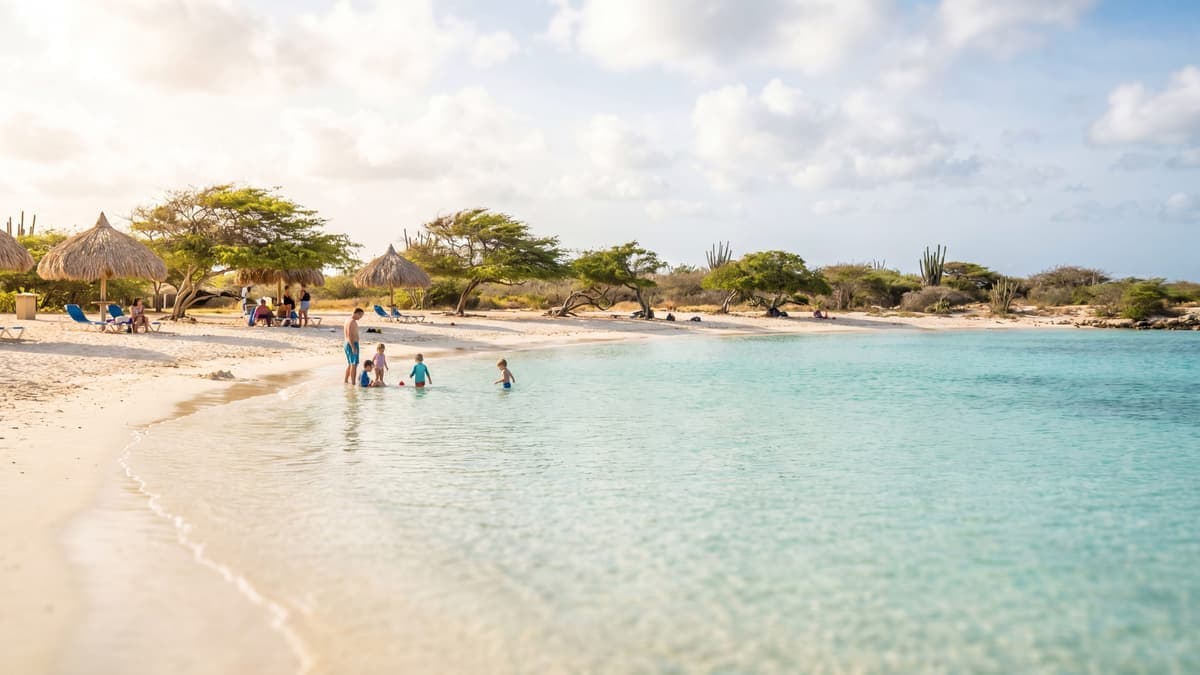
The trade winds blow consistently at 15-25 mph, particularly on the east and north coasts. The windward (east) side of the island has dangerously rough surf and strong currents. Never swim at Andicuri, Boca Prins, Wariruri, or other north coast beaches. These beaches are beautiful to visit but the water is genuinely dangerous, and drownings have occurred. Stick to the calm west coast beaches (Palm Beach, Eagle Beach, Baby Beach, Arashi) for swimming.
The currents even on the calm west coast can be stronger than they appear, particularly at the ends of beaches and near rocky points. Swim near other people and lifeguard stations when possible.
Marine Life
Jellyfish are occasionally present, particularly during certain seasons. The Portuguese man-of-war can appear on Aruba's beaches, usually after storms or strong currents. If you see purple-blue balloon-like creatures on the sand, do not touch them even if they appear dead. Their sting is painful but not typically dangerous for healthy adults.
Sea urchins are common in rocky areas. Wear water shoes when entering the water at rocky spots like Tres Trapi, Boca Catalina, and Mangel Halto. Stepping on a sea urchin is painful and the spines can be difficult to remove.
There are no dangerous sharks in Aruba's swimming areas. Nurse sharks and reef sharks are occasionally spotted while snorkeling or diving but are not aggressive toward humans.
Insects and Wildlife
Mosquitoes are present but far less prevalent than in most tropical destinations due to Aruba's dry, windy climate. Bring repellent for evening outdoor dining but do not expect the clouds of mosquitoes common in wetter Caribbean islands.
There are no venomous snakes on Aruba. The Aruba Island rattlesnake (cascabel) is endemic and extremely rare, found only in rocky areas of Arikok National Park. Encounters are essentially nonexistent.
Scorpions exist on the island but stings are rare and not medically serious. Shake out shoes and clothing if staying in rural accommodations.
Tap Water
Aruba's tap water is desalinated and among the purest in the world. It is completely safe to drink from the tap, which is a major advantage over many Caribbean destinations. Save your money and skip the bottled water.
Find your hotel by month, beach & budget
Compare current Aruba rates across the major booking sites in one place, in USD. Most rooms are free to cancel.
Emergency Information
Emergency Number (Police, Fire, Ambulance): 911
Police (non-emergency): +297 527 4000
Tourist Police: The Korps Politie Aruba has a tourist assistance unit. If you need to file a report for theft or other non-emergency issues, visit the police station in Oranjestad or call the non-emergency number.
Hospital: Hospital Dr. Horacio E. Oduber (HOH) is the island's main hospital, located in Oranjestad. It has an emergency room open 24/7. The facility is modern and well-equipped for most medical needs. Address: Dr. Horacio E. Oduber Hospitaal, Oranjestad. Phone: +297 527 4000.
Pharmacy: Botica di Servicio is a 24-hour pharmacy chain with multiple locations including Eagle Beach and Oranjestad.
U.S. Consular Agency: The nearest U.S. Embassy is in Curacao, but there is a U.S. Consular Agency in Aruba. For emergencies involving U.S. citizens, contact the U.S. Embassy in Curacao at +599 9 461 3066.
Decompression Chamber: The island has a hyperbaric chamber at the hospital for diving emergencies.
Insurance: Travel insurance is not required for Aruba but is strongly recommended. Make sure your policy covers medical evacuation, as serious medical conditions may require transport to Colombia, Curacao, or the United States.
Safety Tips: Our Quick Reference List
- Use the hotel safe for passports, excess cash, and valuables.
- Never leave belongings visible in a parked rental car.
- Confirm taxi rates before getting in.
- Swim only on the calm west coast beaches. Never swim on the north or east coast.
- Wear SPF 50+ sunscreen and reapply every two hours.
- Carry a copy of your passport rather than the original when exploring.
- Stay hydrated. The combination of sun, wind, and alcohol can cause dehydration faster than you expect.
- Complete your ED Card only at edcardaruba.aw.
- Keep your phone charged and carry a portable charger when exploring remote areas.
- Share your daily plans with someone back home or at your hotel.
The Honest Bottom Line
Is Aruba safe? Yes, genuinely so. It is one of the safest vacation destinations in the Western Hemisphere and an excellent choice for families, couples, solo travelers, and LGBTQ+ visitors alike. The island's dependence on tourism means safety is a top priority at every level of government and business.
The biggest risks you face in Aruba are sunburn, dehydration, and potentially overspending at the beach bar. That is a pretty good position to be in.
Does that mean you should throw all caution to the wind? No. Apply the same awareness you would in any unfamiliar place, secure your valuables, respect the ocean, and protect yourself from the sun. Do those things and Aruba will likely be one of the safest and most enjoyable trips you have ever taken.
So if safety was the last thing holding you back, it is handled. The two things worth sorting early are a rental car, since the island opens up once you can drive yourself to the quiet beaches, and any small-group tour with limited seats. When you are ready, here is exactly how we book an Aruba trip.
For more practical tips on navigating the island, check out our complete Aruba travel guide and our first-time visitor tips. And if you would rather lay the week out day by day, start at the free planner: plan the week yourself.