Aruba is a safe, sunny Caribbean island located just 15 miles off the coast of Venezuela where the weather is perfect year-round, US dollars are accepted everywhere, the tap water is safe to drink, and hurricanes simply do not happen. It is, without exaggeration, one of the easiest and most rewarding tropical destinations you can visit.
Our team has spent years exploring every corner of this 20-mile-long island, and this guide distills everything we have learned into one comprehensive resource. Whether you are planning your first visit or your fifth, this is the only Aruba travel guide you will need.
When to Visit Aruba
Aruba enjoys year-round sunshine with average temperatures of 82-84°F. There is no bad time to visit, but there are trade-offs to consider.
Peak season runs from mid-December through April. The weather is flawless, but hotel prices are at their highest and popular restaurants require reservations weeks in advance. Expect to pay $300-600+ per night at major resorts.
Shoulder season in May, June, and November offers a sweet spot: slightly lower prices (20-30% off peak rates), fewer crowds, and still-excellent weather. This is when we prefer to visit.
Low season from July through October brings the best deals, with hotel rates dropping 30-50% from peak pricing. You may see brief rain showers, but Aruba receives only 18 inches of rain per year total, so extended rainy days are extremely rare. The trade winds keep things comfortable even in summer.
Want a local to plan the whole trip?
Our concierge builds your days around what you actually want, from $149. Real people who live in Aruba.
How to Get to Aruba
Queen Beatrix International Airport (AUA) receives direct flights from most major US hubs. Nonstop flight times: Miami (3.5 hours), New York JFK (4.5 hours), Atlanta (4 hours), Charlotte (4.5 hours), Houston (4.5 hours).
American, Delta, United, JetBlue, Southwest, and Spirit all fly to Aruba. JetBlue and Southwest often have the best fares. Book 2-3 months ahead for peak season, or watch for flash sales during off-peak periods.
One major perk: Aruba has US Customs and Border Protection pre-clearance at the airport. You go through immigration before your return flight, which means you arrive in the US as a domestic passenger. No long customs lines when you land.
Before you fly, file the online ED Card at the official portal, edcardaruba.aw. The form is the entry document, and at submission it collects Aruba's separate $20 sustainability fee, which residents, children under 8, on-duty crew, short transit passengers and anyone re-entering within one year of their last visit do not pay. Services that offer to file the form for you charge on top, which aruba.com says is optional.
Where to Stay in Aruba
Aruba has distinct hotel areas, each with a different vibe.
Palm Beach is the high-rise hotel strip with the largest resorts: Riu, Hyatt Regency, Marriott, and Holiday Inn. This is where you will find the most action, water sports rentals, beach bars, restaurants, and shopping all within walking distance. Expect to pay $250-500+ per night.
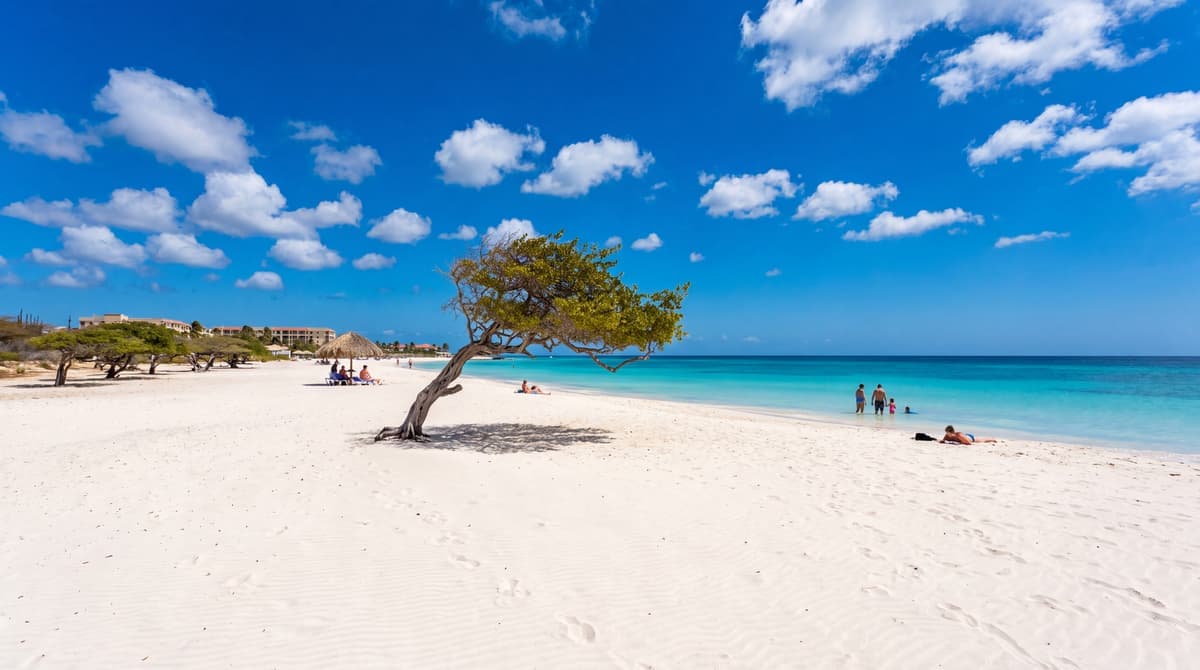
Eagle Beach is the low-rise area with boutique hotels and smaller resorts like Manchebo Beach Resort, Bucuti & Tara, and Amsterdam Manor. Eagle Beach consistently ranks among the best beaches in the world. The atmosphere is quieter and more romantic. Rates run $200-450 per night.
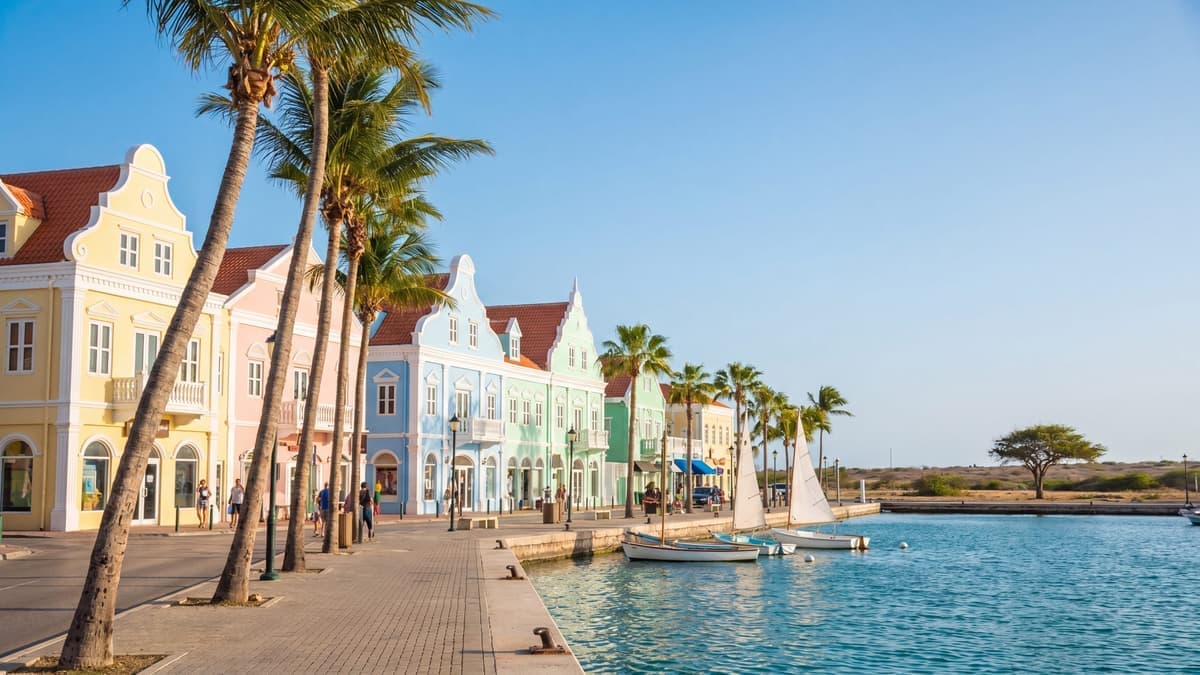
Oranjestad, the capital, is ideal if you want to be near dining, shopping, and nightlife without the resort markup. Options range from boutique hotels to vacation rentals at $100-250 per night.
Naard and inland areas offer vacation rentals and smaller properties at the best rates on the island, typically $80-180 per night. You will need a rental car, but the savings can be significant.
For a deeper dive into every neighborhood and specific hotel recommendations, check out our complete guide to where to stay in Aruba.
Let us plan this trip for you
We live in Aruba and vet every spot ourselves, share your dates and we'll build the rest.
Getting Around the Island
Renting a car is the best way to explore Aruba. The island is small (20 miles long, 6 miles wide), roads are well-maintained, and driving is on the right side. Expect to pay $35-65 per day for a standard car or $65-100 for a Jeep or SUV (which you will want for Arikok National Park).
Taxis are available but there is no Uber or Lyft. Taxis use fixed government-regulated rates: airport to Palm Beach is approximately $25, airport to Eagle Beach is $22. Always confirm the rate before getting in.
Public buses (Arubus) run along the main hotel corridor and cost $2.50 per ride. They are reliable but limited in routes.
For the hotel strip areas, many visitors walk or use hotel shuttles. Palm Beach and Eagle Beach are about 2 miles apart along a pleasant beachfront path.
What to Do in Aruba
Aruba packs an extraordinary amount of variety into a small island. Here are the highlights.
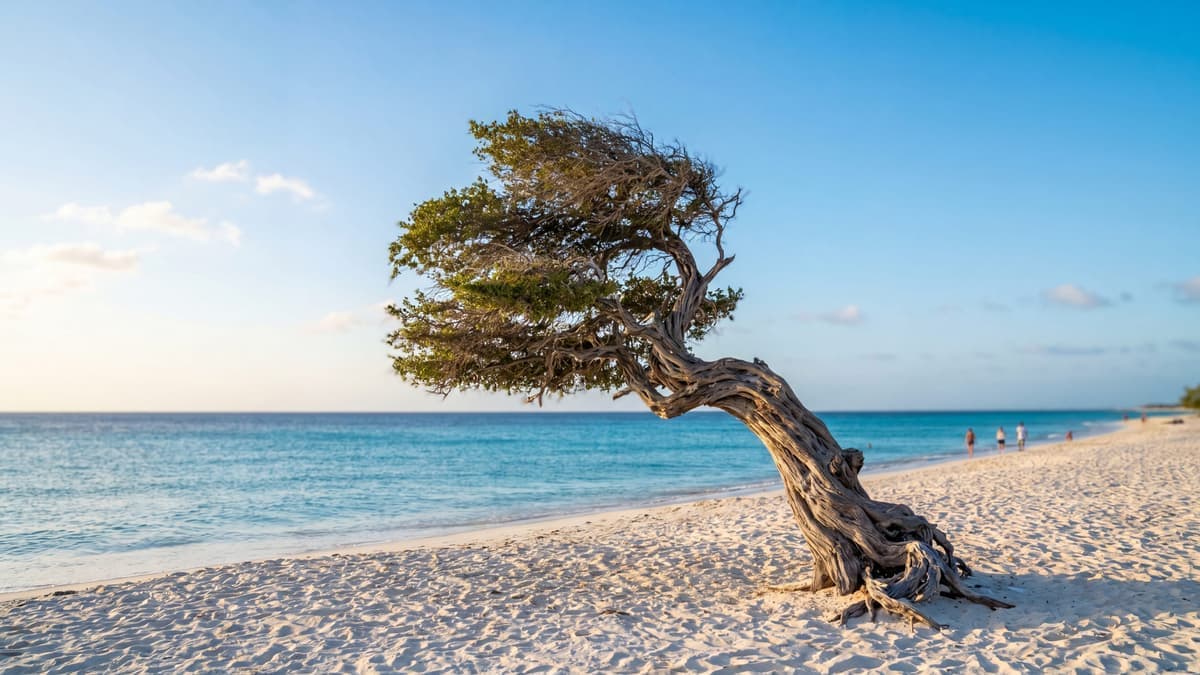
Beaches are the main attraction. Eagle Beach is the crown jewel with its wide white sand and iconic fofoti trees. Palm Beach is the lively strip with water sports galore. Baby Beach on the south tip is a calm lagoon perfect for families. Manchebo Beach is less crowded and popular for yoga. Arashi and Boca Catalina are the best for shore snorkeling. See our complete beach guide for all 12 of our favorite beaches.
Water sports are everywhere. Jet skiing costs about $60-80 for 30 minutes. Parasailing runs $75-95 per person. Stand-up paddleboarding rentals are $25-40 per hour. Kiteboarding at Fisherman's Huts is world-class, with lessons starting at $80.
Snorkeling and diving are outstanding. The Antilla Shipwreck is one of the largest wrecks in the Caribbean. Boca Catalina has the best shore snorkeling with regular sea turtle visits. Catamaran cruises with snorkel stops, open bar, and lunch run $75-110 per person.
Arikok National Park covers nearly 20% of the island and is a must-visit. Hike to the Natural Pool (Conchi), explore ancient caves with indigenous drawings, and see the dramatic windswept north coast. Entry is $11 per person. You will need a Jeep or UTV to reach the Natural Pool.
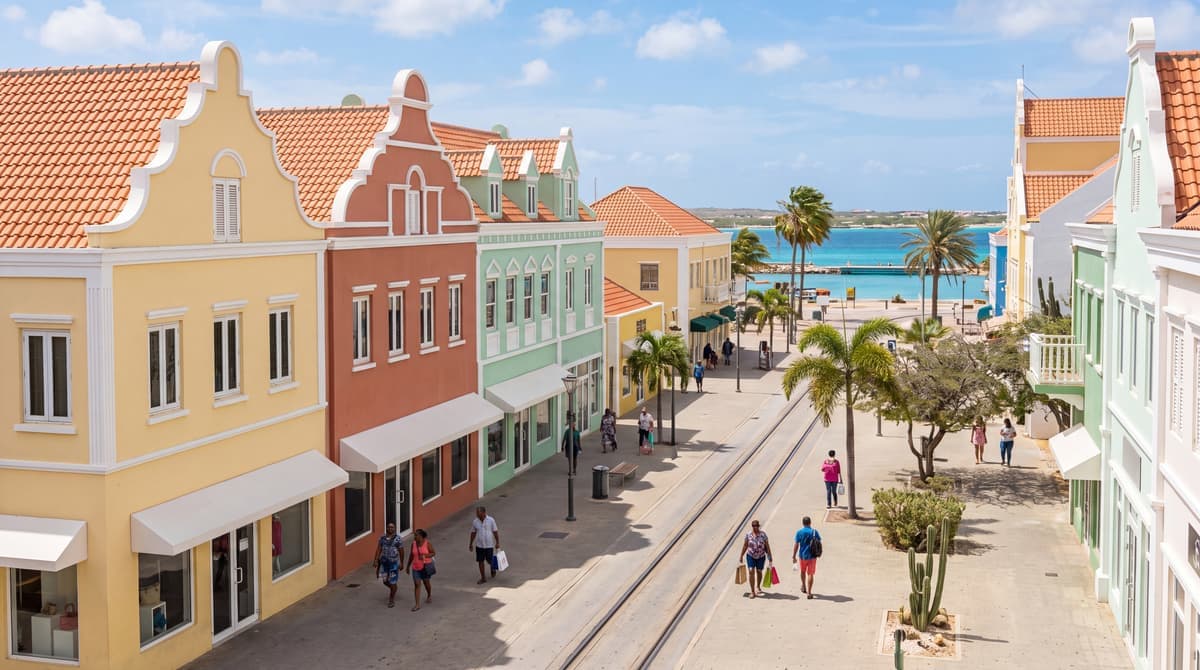
Cultural experiences include the incredible San Nicolas street art district (free), the Aloe Factory tour, the Donkey Sanctuary (free, donations welcome), and the colorful streets of downtown Oranjestad.
Book tours on our Activities page where you can find catamaran cruises, UTV adventures, sunset sails, and dozens more experiences with verified reviews and instant confirmation.
Browse 33 vetted Aruba experiences
Most confirm instantly with free cancellation up to 24h, and 4 of them are free.
The free 7-day itinerary
The exact 7 days we send friends
One email with our day-by-day Aruba plan: which beach on which day, where to eat, and the tours worth booking. No spam, unsubscribe anytime.
Where to Eat
Aruba's dining scene is phenomenal, with over 200 restaurants representing cuisines from around the world.
Zeerovers in Savaneta is the single most important food recommendation we can give. Fresh-caught fish fried to order, served with pan bati (sweet cornbread) and funchi (polenta), overlooking the water. It costs $12-18 per person, cash only, and is closed Monday and Tuesday. Go for lunch and arrive by 12:30 to beat the rush.
For fine dining, Barefoot Restaurant puts your feet in Surfside Beach sand while serving exquisite cuisine ($60-90 per person). Flying Fishbone in Savaneta seats you literally in the water ($70-100). Papiamento in a 175-year-old estate house is unforgettable ($50-80). Reserve all fine dining spots 2-4 weeks ahead during peak season.
Casual favorites include Eduardo's Beach Shack on the Playa Linda boardwalk for the best acai bowls, Bugaloe Beach Bar on the Palm Beach pier for lunch with ocean views and live music, and The West Deck in Oranjestad for waterfront drinks and appetizers at sunset.
Local food to try: keshi yena (stuffed cheese, the national dish), pastechi (fried turnovers, $1-3 at any bakery), pan bati, and stoba (slow-cooked stew). Start your morning with pastechi from a local bakery and you will be hooked.
For our full restaurant recommendations with reviews and pricing, visit our dining guide.
Budget Breakdown
Aruba is not the cheapest Caribbean destination, but smart planning goes a long way.
Budget trip (per couple, per day): Accommodation $80-150 + Meals $30-50 + Activities $20-40 + Transport $10-20 = $140-260/day.
Mid-range trip: Accommodation $200-350 + Meals $60-100 + Activities $50-100 + Transport $20-35 = $330-585/day.
Luxury trip: Accommodation $400-800+ + Meals $120-200 + Activities $100-200 + Transport $35-60 = $655-1,260/day.
All-inclusive resorts can actually save money if you are heavy diners and drinkers. Rates of $400-600/night per couple that include unlimited food, drinks, and some activities can work out cheaper than paying for everything separately at a mid-range resort. Do the math for your travel style.
Biggest money-saving tips: visit in shoulder or low season, rent a vacation rental with a kitchen, eat lunch at local spots like Zeerovers, bring your own snorkel gear, and book activities through Viator instead of the resort activity desk.
Find your hotel by month, beach & budget
Compare current Aruba rates across the major booking sites in one place, in USD. Most rooms are free to cancel.
Safety and Practical Information
Aruba is one of the safest islands in the Caribbean. Violent crime against tourists is extremely rare. Use normal common-sense precautions: do not leave valuables unattended on the beach, lock your rental car, and stay aware of your surroundings at night.
Currency: The Aruban Florin (AWG) is the official currency, but US dollars are accepted literally everywhere. Credit cards are widely accepted. ATMs dispense florins.
Language: The official languages are Dutch and Papiamento (a creole language). English and Spanish are widely spoken. You will have zero language barriers.
Electricity: Aruba uses the same plugs and voltage as the United States (120V, Type A/B). No adapter needed for US visitors.
Tap water: Aruba's desalinated water is among the purest in the world. Drink it freely from the tap and save money on bottled water.
Sun protection: At 12 degrees north of the equator, the UV index is extreme. Wear SPF 50+ sunscreen (reef-safe preferred), reapply every 2 hours, and consider a rash guard for extended water activities. You will burn faster than you think.
Wind: The trade winds blow consistently at 15-25 mph, especially on the east coast. This keeps the temperature comfortable but can be intense at exposed beaches. Pack a windbreaker and hair ties.
Local Tips from Experience
Tuesday evenings, catch the Bon Bini Festival in Oranjestad for free local music, dancing, and culture.
The best sunsets are from California Lighthouse, Arashi Beach, or any west-coast beach bar. Arrive 30 minutes before sunset to claim a good spot.
Do not skip the south side of the island. Most tourists stay on the northwest coast and miss Savaneta, San Nicolas, and Baby Beach entirely. Rent a car for at least one day and explore.
Download the Aruba app for offline maps, deals, and event listings.
If you only have time for one splurge dinner, make it Barefoot or Flying Fishbone. If you only have time for one activity, do a catamaran snorkel cruise. If you only have one free day, drive the south coast from Savaneta to Baby Beach and back through Arikok National Park.
Aruba earns its nickname as One Happy Island. The people are genuinely warm, the weather is reliably perfect, and the island offers far more depth than most visitors expect. Use this guide as your foundation, explore our detailed beach and activity guides for specifics, and get ready for an unforgettable trip.