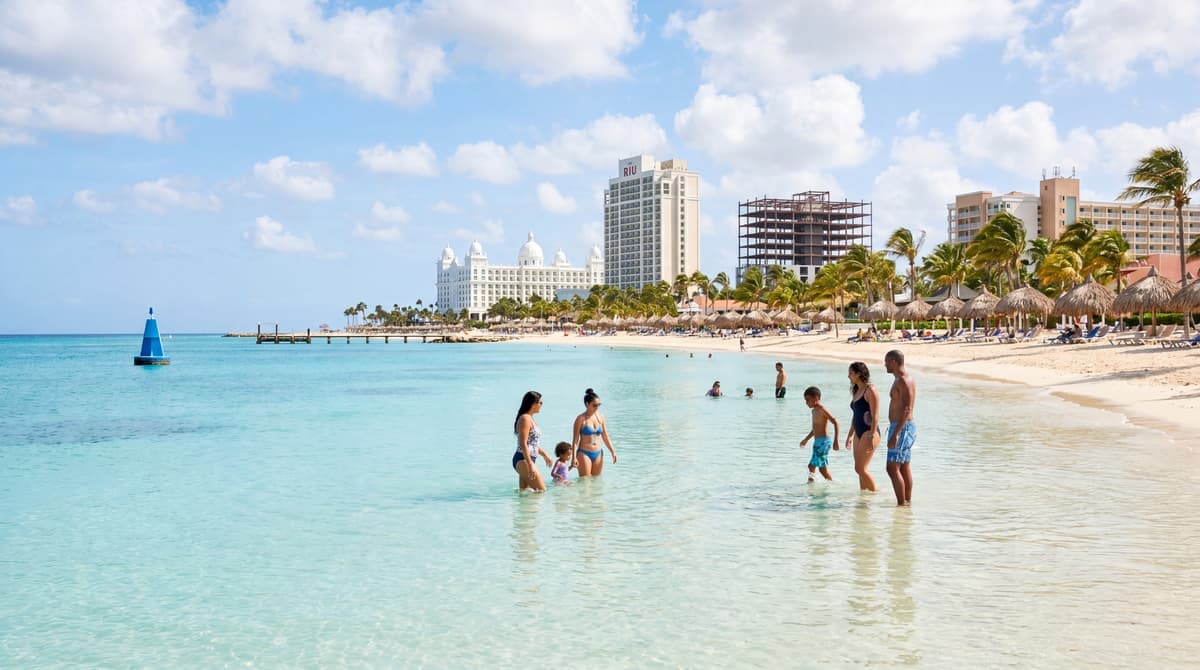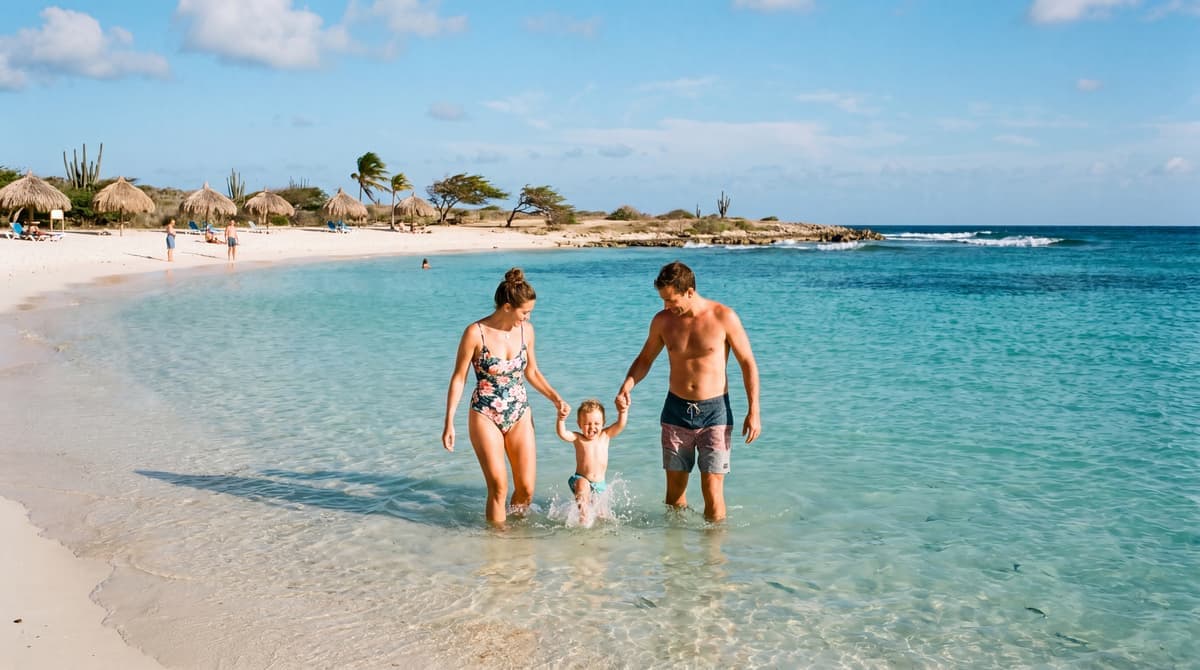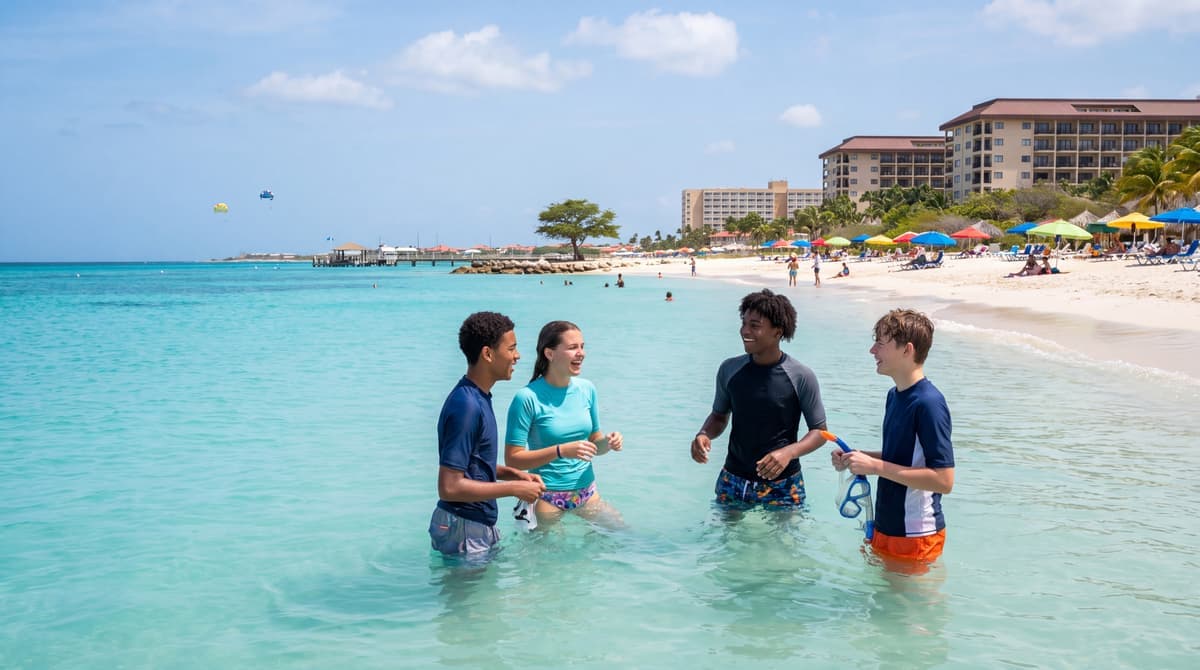
Will my teenager actually enjoy a week on a beach island, or will they disappear into their phone the second the pool towels run out? That is the real question behind almost every "Aruba with teens" email we get, more than any question about beaches or resorts.
We live on Aruba and put families through this island every week, so we have watched both versions of this trip actually happen. The families who plan Aruba as a resort-and-beach week get a teenager who is bored and checked out by day three. The families who build in two or three days of real adrenaline, one good photo activity, and a little bit of independence come home with a teenager who is already asking when they can go back.
This guide is built around the second version.
The Honest Read: Why Aruba Works for Teens (and the One Way It Flops)
A 15 year old does not care that Aruba's beaches get ranked among the best in the Caribbean. What they care about is whether something feels genuinely exciting, whether the water is actually fun and not just pretty, whether their phone works, and whether they can walk somewhere without a parent two steps behind them.
Aruba checks most of those boxes better than most islands its size. It is compact, about 20 miles end to end, the main hotel strip is dense and walkable, and cell coverage and wifi hold up well for a group of teenagers streaming and posting all day, at least in the hotel zone. That combination of connectivity and a genuinely low-hassle island is rarer than it sounds on a Caribbean trip.
Here is the one way it flops: an itinerary that is entirely resort pool, beach chair, repeat. Teens burn through that novelty fast, usually by the second day. The fix is not a fancier resort, it is contrast. Stack in a couple of days with real speed and adrenaline, and the beach and pool days start to feel like a reward instead of the whole trip.
One thing worth setting expectations on early: Aruba is not a nightlife island for travelers under 21. If your teen has pictured a party scene from a movie, that is not what is waiting here, and we will get into what actually fills evenings further down.
Paso Fino horses to the little natural bridge at Wariruri
$116 per rider, about 1 hour 40 minutes, Monday to Saturday at 9:00 AM and 4:00 PM, hotel-area pickup included, booked direct with the ranch.
Adrenaline Teens Actually Want: Off-Road, Air, and Speed
This is the category that makes or breaks a teenager's opinion of the trip. Aruba's interior is rugged, dry, cactus-covered terrain that looks more like Arizona than a postcard beach, and it is built for exactly this.
Self-drive UTV and ATV tours are the biggest draw for this age group: open-air, dusty, genuinely bumpy routes through the north coast and cave country. The catch for teen groups is the driver's seat. Self-drive tours generally require the driver to be at least 18 with a valid license, and some operators set the minimum even higher, so a 14 to 17 year old typically rides as a passenger rather than driving. Confirm the exact age and license rule with the specific operator when you book. If your teen is 18, or traveling with an adult who will drive, routes like the cave and natural pool run or the north coast crossing are the ones teens talk about after the trip. If you are trying to decide between a UTV, an ATV, and a jeep, we broke down the real differences, including why the driving age matters for families with teens.
One honest caveat: these routes are rough. Anyone prone to motion sickness, or with a bad back or neck, should sit this one out or ride in a smoother vehicle.
If your group includes younger siblings, or you would rather skip the driving age limit altogether, a guided jeep safari with a local crew we book direct covers similar terrain with a guide handling the vehicle, so the whole family rides together instead of splitting between drivers and passengers.
For something that feels more like flying than driving, parasailing is the other big teen favorite. Up to 10 flyers can go up in a session, so a group of friends or siblings can fly together or back to back, and exact minimums for weight and age are confirmed when you book. Caveat: it is genuinely safe, but it feels high, so a nervous flier should watch from the boat rather than be talked into it.
Sea scooters scratch a similar itch underwater: handheld propulsion devices that let snorkelers cover ground fast without the arm fatigue, which is exactly the kind of "this is actually fun, not just educational" activity that keeps a teenager engaged in the water instead of bored five minutes in.
Traveling with little ones
Land with the crib already sorted
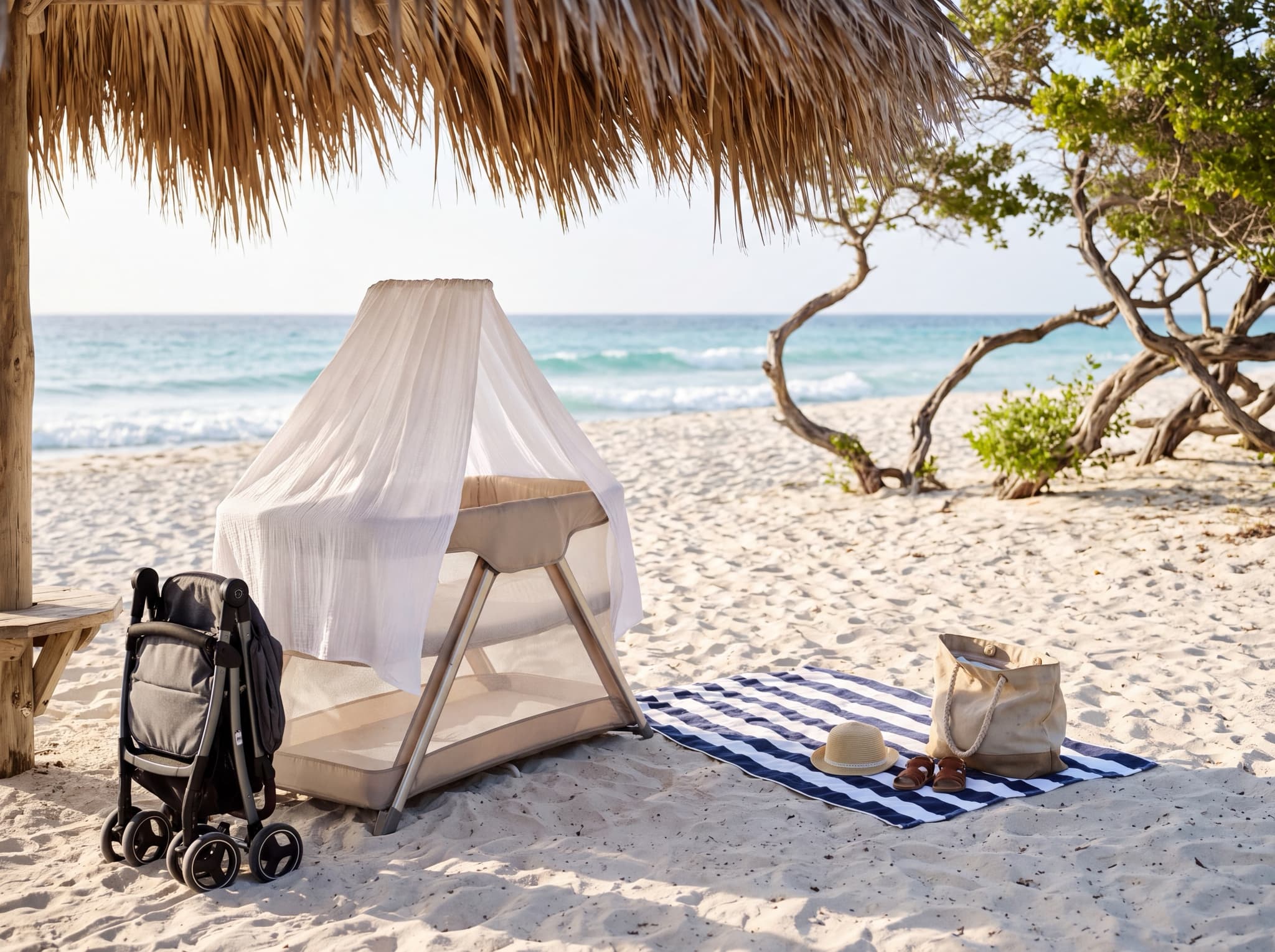
A full-size crib, stroller, and car seat rarely fit in the luggage. Local BabyQuip providers deliver the gear to your hotel or rental for your dates and collect it when you fly home, cleaned and insured per their standards. Pick what you need, see the price for your stay, and board with carry-ons instead of cargo.
- Cribs, pack-and-plays, and toddler beds
- Car seats sized to your child
- Strollers, wagons, and beach gear
Delivered by independent BabyQuip providers on the island. We may earn a commission at no extra cost to you.
Photo-Worthy Water Time (That Is Not Just "Snorkeling")
Teenagers care about content. A guide that ignores that is ignoring a real part of how they experience a trip.
The clear kayak drone photoshoot is built for exactly this: about 20 minutes on a transparent kayak off the beach near Raw Fitness in Oranjestad, with a drone capturing 25 or more edited photos plus video the same day. It is quick enough to slot in before or after a beach afternoon, and it gives a teenager something for their own feed that is not just a family group photo. Caveat: it is short, so treat it as an add-on to a beach day rather than the main event.
Snorkel and catamaran cruises are easy to book and genuinely fun, but check how much actual swimming and snorkeling time a specific sailing includes before you book. Some cruises are heavier on sailing and lighter on time in the water, which can feel slow to a restless teenager.
For a full day that needs almost no planning, De Palm Island is an easy win. The all-inclusive day covers the ferry, hotel transport, food and drinks, snorkeling, a water park with drop slides, and unlimited banana boat rides for ages 10 and up, so there is enough to fill a day without anyone managing logistics the whole time. Caveat: it leans more "water park island" than "off-road adventure," so avoid scheduling it the same day as a UTV or jeep tour, the energy is different and back to back it starts to feel repetitive.
Beaches That Actually Suit a Teenager
Not every beach on the island works the same way for a 15 year old. Palm Beach is the one with the actual scene: a long, lively stretch lined with high-rise hotels, jet ski and parasail operators working right off the sand, beach bars, and a boardwalk that is genuinely busy. It is the beach that feels like something is happening, which matters more to a teenager than water clarity.
Caveat: that same energy means more noise, more vendors, and more foot traffic than a quieter beach. If your teen wants a calmer swim day in between the action, other beaches on the island cover a range of moods, from quiet coves to lively stretches, so you are not stuck choosing just one for the whole trip.
Giving Teens Some Real Independence
Part of what makes a teenager actually enjoy a family trip is not being supervised every single minute of it. Aruba makes that easier to grant than most islands.
The Palm Beach strip is flat, walkable, and dense: a boardwalk on the beach side, a row of restaurants and shops across the road, all of it reachable on foot from most beachfront hotels. Getting around the island outside that strip is straightforward too, with buses, taxis, and rentals all workable if a family wants to let an older teen handle a short trip on their own.
Reliable cell coverage and wifi across the hotel zone means a parent can actually let a teenager roam the boardwalk for an hour and stay reachable, which goes a long way toward making the independence feel safe rather than stressful. Combined with Aruba's generally low-hassle safety profile, it is one of the more comfortable islands in the Caribbean for giving a 16 or 17 year old some real room to move.
One honest boundary worth setting before they head out solo: that same strip has bars and casinos mixed into the shops and restaurants, and casinos in Aruba require guests to be 18 to enter. That is not what this trip is pointed at for teens under 21, and it is worth saying so out loud before the first solo walk, not after.
Let us plan this trip for you
We live in Aruba and vet every spot ourselves, share your dates and we'll build the rest.
Food They Will Actually Eat (and What Evenings Look Like for Under-21s)
A week of reservation-only fine dining will wear out most teenagers fast. Our food guide covers the island's full range, and the move for a teen-friendly trip is to mix in the casual stuff: boardwalk food, casual seafood spots, and easy, American-leaning menus a 14 year old will actually eat without complaint, alongside one or two nicer family dinners.
Evenings for this age group are quieter than the strip's bars and casinos might suggest, and that is by design. Expect boardwalk walks, ice cream, arcade-style spots, and hotel pool time after dark rather than anything resembling nightlife. If your teen is expecting a party scene, reset that expectation before you land. What Aruba actually offers an under-21 crowd is a safe, walkable, well-lit strip to wind down on after a full day of activities, not a destination built around evening entertainment for that age group.
A Day That Balances Teen Energy With Family Downtime
A workable shape, loosely: start the day with the highest-energy activity on the list, a UTV route, parasailing, or the jeep safari, since mornings are cooler and everyone has the most energy. Spend the afternoon at the beach or the pool, which now feels earned rather than repetitive. Save something low-key for the evening, a boardwalk walk, dinner somewhere casual, or the clear kayak photoshoot if it has not happened yet.
Repeat that shape every two or three days rather than every single day. Teenagers, and honestly everyone else on the trip, need at least one genuinely unscheduled day to recover, and a week that is adrenaline activity after adrenaline activity burns out just as fast as a week that is all beach chairs.
If you would rather not build this out activity by activity, our planning tool will put together a day-by-day plan around the ages and interests in your group, and the full activities list is the place to browse everything above and compare what fits your dates. For the logistics side of traveling with a mixed-age family, our family vacation guide and family-friendly resorts roundup cover the rest of the planning.