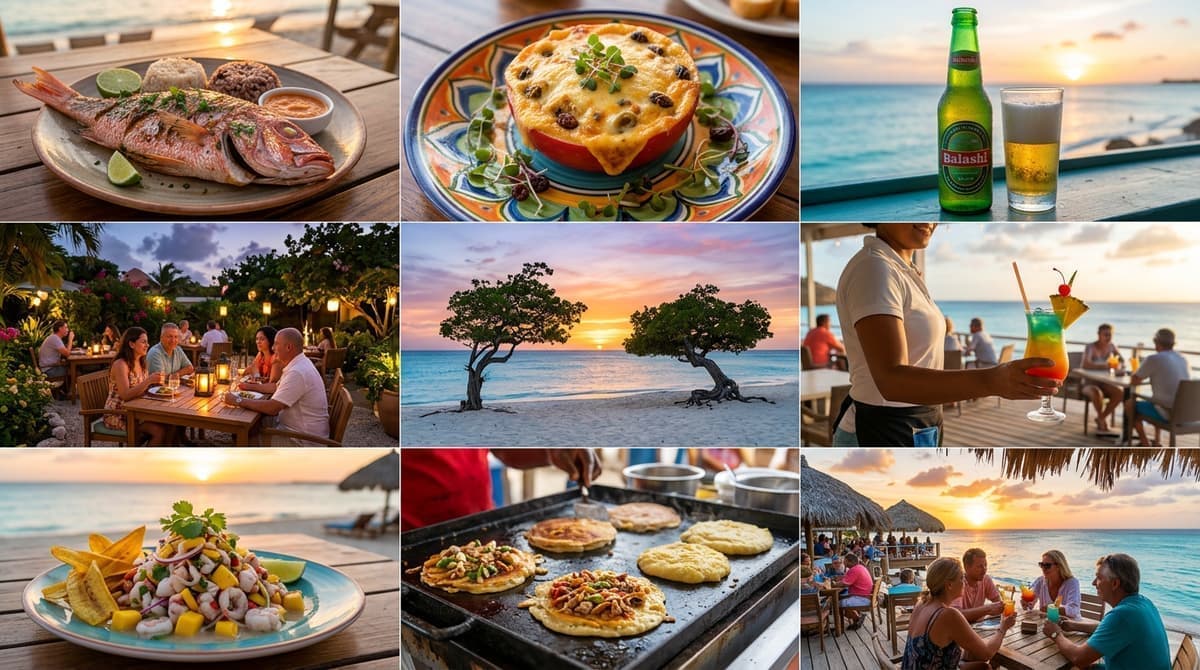
Aruba's food scene is one of the best-kept secrets in the Caribbean. Most visitors stick to resort restaurants and miss an entire world of local dishes shaped by Dutch, Latin American, Caribbean, and indigenous influences. This guide covers 25 dishes you need to try, where to find the best versions, and enough food knowledge to eat like someone who actually lives here.
The Essential Aruba Dishes
1. Keshi Yena. The National Dish
Keshi yena is a ball of Gouda cheese stuffed with spiced meat (usually chicken or beef), vegetables, raisins, olives, and cashews, then baked until the cheese melts into a golden shell around the filling. It is rich, savory, slightly sweet from the raisins, and unlike anything you have eaten before.
The name literally means "stuffed cheese" in Papiamento, and it dates back to when Dutch colonists discarded their cheese rinds and local cooks filled them with whatever ingredients they had. Necessity created genius.
Where to find the best keshi yena:
- Gasparito Restaurant in Noord. Widely considered the best version on the island. Set in a traditional cunucu house, the restaurant serves it as a main course. $22-28. Reservations recommended.
- Zeerovers occasionally offers a keshi yena special, but their fish is the main draw.
- Papiamento Restaurant does an elevated version in their historic estate house setting.
- Local bakeries sell individual keshi yena portions for $5-8. A great lunch option.
To taste several of these dishes in one outing with a local guide, book a food and culture tour.
2. Pastechi. The Ultimate Aruba Street Food
Pastechi are deep-fried turnovers filled with cheese, meat, chicken, fish, or a combination. They are the Aruban equivalent of empanadas, and they are eaten at every time of day. Breakfast pastechi from a local bakery is an institution.
The dough is thin and crispy, the fillings are savory and generous, and they cost $1.50-3 each. You can eat two for breakfast and feel fueled until lunch.
Best pastechi spots:
- Pastechi House in Oranjestad. The dedicated pastechi spot with dozens of filling options. Open early, closed by afternoon. Cash preferred.
- Bright Bakery in Noord. A local favorite with excellent cheese pastechi and meat varieties. Open from 5 AM.
- Any bakery with a line out the door at 7 AM. Seriously. Follow the locals.
Pro tip: The cheese pastechi is the classic starter. Once hooked, try the meat (carne) and the combo (cheese + meat). The shrimp pastechi is available at some spots and is exceptional.
3. Pan Bati. Sweet Cornbread
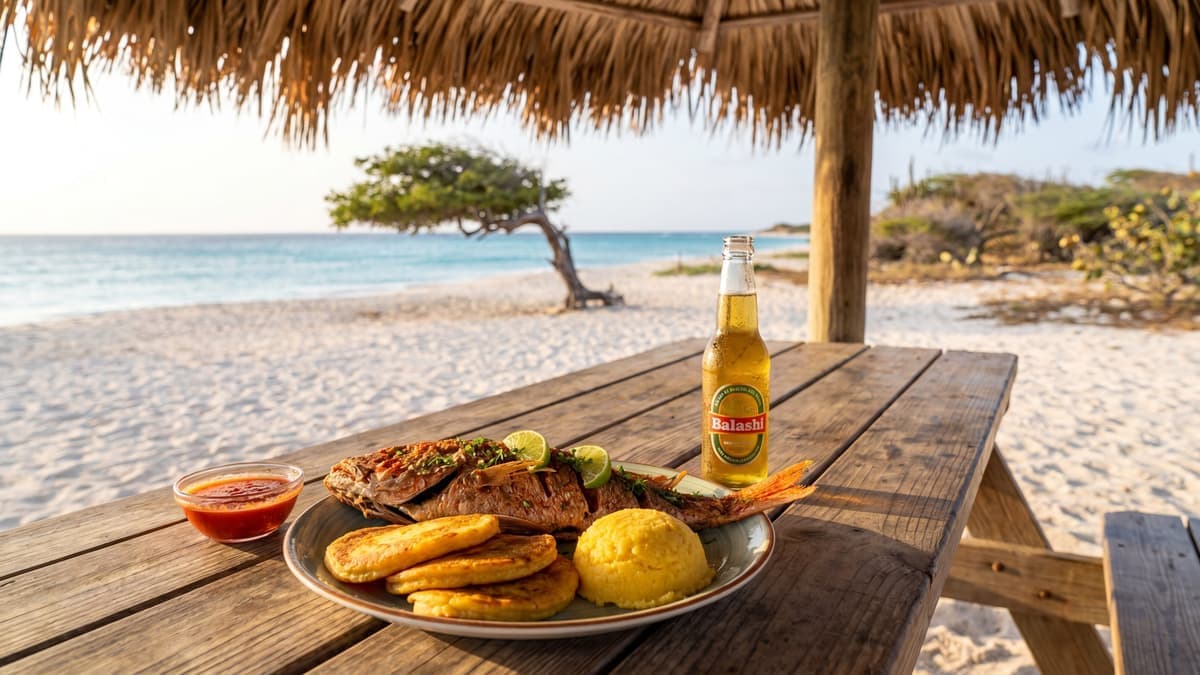
Pan bati is a slightly sweet, slightly dense cornbread pancake that accompanies almost every local meal. It is served alongside fried fish at Zeerovers, with stoba (stew), and as a side at traditional restaurants. Think of it as Aruba's version of bread. Except better.
The texture is softer than American cornbread, with a subtle sweetness that complements savory dishes beautifully. It is cooked on a flat griddle until slightly crispy on the outside.
Where to find it: Pan bati comes standard with meals at Zeerovers, Gasparito, The Old Cunucu House, and most local restaurants. You rarely need to order it specifically. It just appears, and you will be grateful.
4. Funchi. Aruban Polenta
Funchi is a firm cornmeal side dish similar to Italian polenta but denser and often served in slices or rounds. It is a staple of Aruban home cooking and appears alongside fish, stews, and grilled meats. The flavor is mild and slightly sweet, designed to soak up sauces and juices.
At Zeerovers, funchi comes as a thick patty alongside your fried fish and pan bati. At nicer restaurants, you might find funchi fries. Funchi cut into sticks and deep-fried until crispy. These are addictive.
5. Stoba. The Comfort Stew
Stoba is a slow-cooked stew that is Aruba's ultimate comfort food. Variations include kabritu stoba (goat stew), galinja stoba (chicken stew), and karni stoba (beef stew). The meat is braised for hours with onions, tomatoes, peppers, garlic, cumin, and local seasonings until fall-apart tender.
Goat stoba (kabritu) is the most traditional and the one to try first if you are adventurous. The goat meat becomes incredibly tender and the sauce is complex and deeply satisfying. If goat is not your thing, the chicken version is equally comforting and more approachable.
Where to find it:
- The Old Cunucu House in Palm Beach. Traditional Aruban restaurant in a historic building. Their stobas are excellent and come with pan bati and funchi. $18-25 per plate.
- Gasparito. Serves excellent kabritu stoba alongside their keshi yena.
- Local lunch spots around Oranjestad serve stoba as daily specials, usually $8-12 for a plate with sides.
6. Sopi di Pisca. Fish Soup
This hearty fish soup is a staple of Aruban coastal communities, especially in Savaneta. Made with fresh catch, coconut milk, vegetables, and local seasonings, it is the kind of soup that feels like medicine in the best possible way. Traditionally served with pan bati for dipping.
Best version: The Old Fisherman's Huts area in Savaneta has a few spots that serve fresh sopi di pisca. Ask locals. The best versions come from home kitchens, but restaurant versions at traditional eateries are solid.
7. Ayaca. The Holiday Tamale
Ayaca is Aruba's version of a tamale, traditionally made during Christmas and New Year. Cornmeal dough is filled with chicken or pork, olives, raisins, capers, and pickles, then wrapped in banana leaves and steamed. The combination of sweet, savory, and tangy is distinctly Aruban.
Outside the holiday season, ayaca can be hard to find. Some local restaurants offer it year-round, and bakeries may carry it sporadically. If you see it on a menu, order it.
Want a local to plan the whole trip?
Our concierge builds your days around what you actually want, from $149. Real people who live in Aruba.
Fresh Seafood
8. Fresh Catch at Zeerovers
We have mentioned Zeerovers throughout our guides because it genuinely is the single best food experience on the island. Located on the Savaneta waterfront, this open-air fish market/restaurant fries fish to order from that morning's catch.
How it works: Walk to the counter, choose your fish (snapper, wahoo, mahi-mahi, barracuda, or shrimp. Whatever came in that day), tell them the size, and they fry it while you wait. It is served on a tray with pan bati and funchi. The fish is seasoned simply and fried perfectly. Crispy exterior, flaky interior, pure fish flavor.
Prices: $12-18 per person depending on fish choice and size. Shrimp is the most expensive. Cash only.
Hours: Wednesday through Sunday, roughly 11 AM to 6 PM (closes when the fish runs out). Closed Monday and Tuesday. Arrive before 12:30 PM on weekends to avoid the worst crowds.
9. Caribbean Lobster
Aruba gets fresh Caribbean spiny lobster, which is different from Maine lobster. No claws, all tail meat, slightly sweeter flavor. During lobster season (roughly October through March), nearly every seafood restaurant features it.
Best lobster experiences:
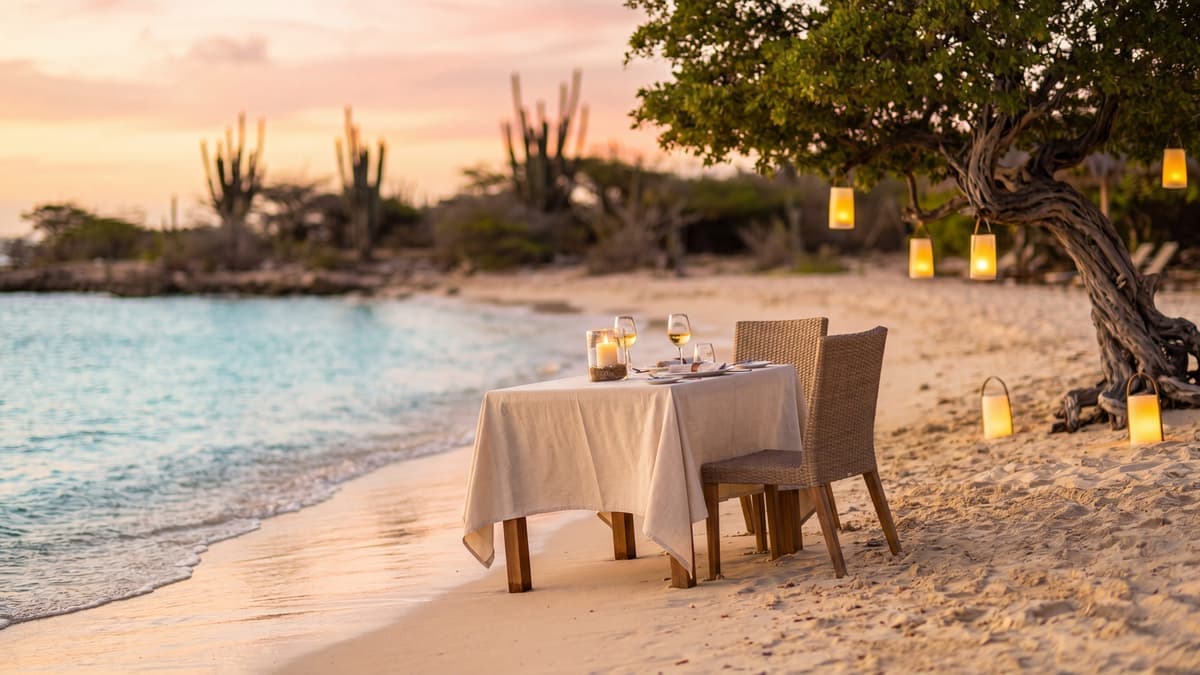
- Flying Fishbone. Lobster thermidor at a table in the water. $50-65 for the lobster dish alone, but the experience is priceless.
- Barefoot Restaurant. Grilled lobster tail on Eagle Beach sand. $45-55.
- Madame Janette. Creative lobster preparations in their garden setting. $40-50.
10. Ceviche
Fresh ceviche appears on menus across the island, reflecting Aruba's Latin American influences. Typically made with mahi-mahi or snapper, citrus-cured with lime, red onion, cilantro, and aji (hot pepper).
Best ceviche: Pinchos Grill in Oranjestad does an excellent ceviche appetizer. Bugaloe on Palm Beach serves a solid version as a starter.
11. Whole Fried Red Snapper
Beyond Zeerovers, several restaurants serve whole fried red snapper. The entire fish, head to tail, deep-fried until the skin shatters and the flesh is moist inside. Eating a whole fish might feel unfamiliar, but the flavor difference from a fillet is enormous.
Best version: Zeerovers, always. But Marina Pirata in Spanish Lagoon also does an excellent whole snapper.
Dutch Influences
Aruba was a Dutch colony for centuries, and the food reflects it.
12. Bitterballen
These deep-fried beef croquette balls are a Dutch bar snack that Aruba adopted enthusiastically. Crispy shell, creamy ragout interior, served with spicy mustard. They are the perfect accompaniment to a cold Balashi beer.
Where to find them: Dutch-style bars and cafes in Oranjestad. The bar at the Renaissance hotel often has them. Any spot with "Dutch" in its name.
13. Dutch Pancakes (Pannenkoeken)
Aruba does Dutch-style pancakes. Thin, crepe-like, plate-sized, and topped with everything from Nutella and banana to cheese and ham. They are larger and thinner than American pancakes and can be sweet or savory.
Best spot: Linda's Dutch Pancakes near Palm Beach. This is a beloved institution with massive pancakes and friendly service. $10-18 per pancake, and one is a meal. Also serves excellent poffertjes (mini Dutch pancakes dusted with powdered sugar).
14. Kroket
A larger, elongated version of bitterballen, kroketten are deep-fried rolls filled with beef or chicken ragout. Served as a snack or light meal with bread and mustard. Available at local bakeries and snack bars.
15. Stroopwafel
Not locally made, but widely available. These thin Dutch waffle cookies with caramel syrup filling are sold at grocery stores and souvenir shops. Buy a pack to bring home. They are also excellent warmed over a cup of coffee.
Caribbean and Latin Flavors
16. Balashi Beer
Aruba's only local beer, brewed on the island using desalinated seawater. It is a light, crisp lager that is perfect in the heat. The Balashi Chill version (with lime) is popular during beach days. Available everywhere for $3-5 at bars, $1.50-2 at grocery stores.
Tour the Balashi Brewery in Balashi for a behind-the-scenes look at production. Tours include tastings and run $10-15 per person.
17. Ponche Crema
Aruba's version of eggnog, ponche crema is a creamy, sweet, rum-based drink traditionally served during the holidays but available year-round at some bars. It is rich, boozy, and dangerously easy to drink.
18. Coecoei
A bright red Aruban liqueur made from the sap of the agave plant, rum, sugar, and a secret recipe of local herbs. It tastes sweet and herbal, and it is unique to Aruba. Buy a bottle at the airport duty-free as a souvenir ($12-18). Mix it with vodka and lemon for a local cocktail called "Aruba Ariba". The unofficial national drink.
19. Aruba Ariba Cocktail
Speaking of which. The Aruba Ariba is the island's signature cocktail. It combines Coecoei, vodka, rum, banana liqueur, fruit juices, and Grand Marnier. Every bar makes it slightly differently, but it is always fruity, strong, and garnished with a paper umbrella.
The best Aruba Ariba we have had was at the bar at Hyatt Regency Palm Beach. But honestly, order one everywhere you go. Comparing Aruba Aribas across the island is a legitimate activity.
20. Arepas
Reflecting Venezuelan influence (Aruba is only 15 miles from Venezuela), arepas. Thick corn cakes split and stuffed with meat, cheese, beans, or avocado. Are available at various spots around the island. They are filling, affordable ($4-8), and make an excellent breakfast or lunch.
Sweet Treats
21. Quesillo
Aruba's version of flan. A smooth, dense caramel custard that is richer and firmer than Mexican flan. Often served as dessert at local restaurants or sold by the slice at bakeries. The caramel sauce is usually stronger and slightly bitter, which balances the sweetness perfectly.
Best quesillo: Gasparito's version is outstanding. Local bakeries sell whole quesillos for $8-12. Buy one for your hotel room.
22. Cocada
Coconut candy made from shredded coconut, sugar, and condensed milk. Sold at bakeries and souvenir shops. Sweet, chewy, coconutty. An easy snack to grab and go. $2-4 for a piece.
23. Poffertjes
Tiny Dutch pancakes puffed up and served in a pile, dusted with powdered sugar and drizzled with butter. Available at Linda's Dutch Pancakes and some Dutch-style cafes. Kids love them, adults pretend they are ordering them for the kids.
Food Trucks and Bakeries
24. The Food Truck Scene
Aruba has a growing food truck scene, particularly in Oranjestad and along the main roads. Look for trucks serving:
- BBQ ribs and chicken. Slow-smoked Caribbean-style, $8-15 per plate
- Empanadas and croquettes. Fried snacks for $2-5
- Fresh fruit smoothies. Mango, papaya, passion fruit, $5-8
- Lunchtime plates. Rice, beans, meat, salad, $8-12
The best food truck cluster is near the cruise terminal in Oranjestad, especially active when ships are in port. Quality varies, but prices are excellent compared to restaurants.
25. Local Bakery Breakfast
An Aruban bakery breakfast is a must-do experience. Walk into any local bakery (Bright Bakery, Pastechi House, bakeries in San Nicolas or Oranjestad) between 6 and 9 AM and order pastechi, a ham-and-cheese sandwich on fresh bread, and a cup of strong local coffee. Total cost: $5-8. This is how Arubans start their day, and it will become how you start yours.
The bread in Aruban bakeries is baked fresh daily and is subtly different from American bread. Slightly sweeter, softer, with a thin crispy crust. A simple buttered roll from a bakery is better than it has any right to be.
Find your hotel by month, beach & budget
Compare current Aruba rates across the major booking sites in one place, in USD. Most rooms are free to cancel.
Food Markets and Grocery Tips
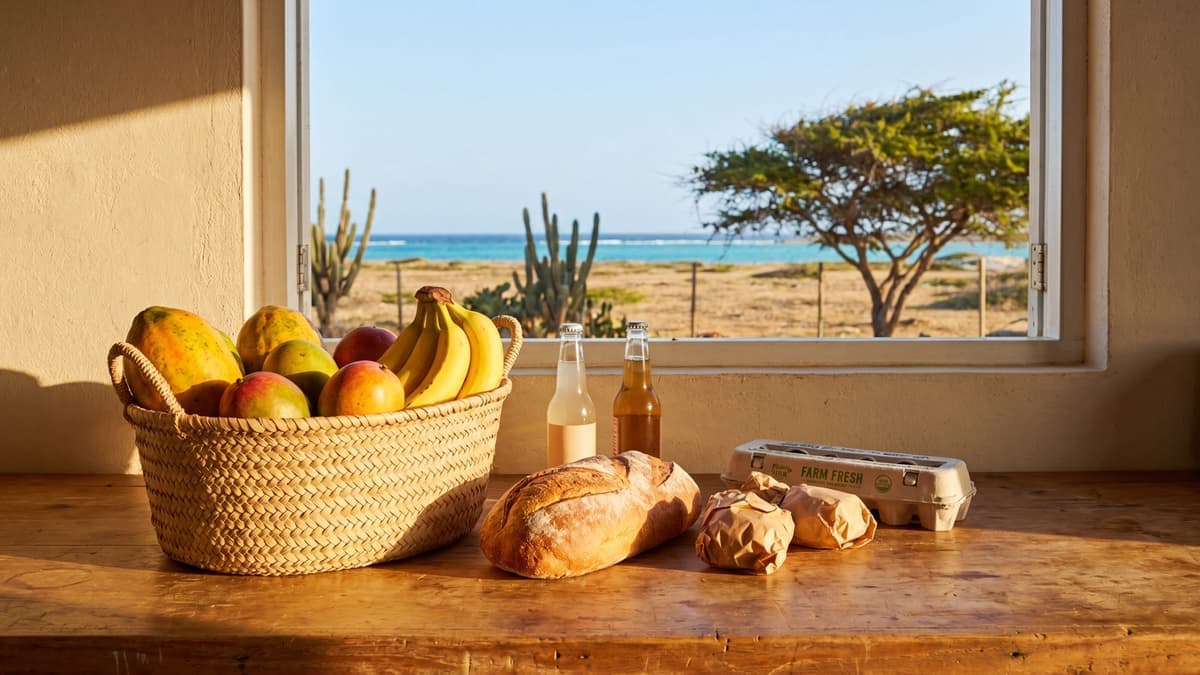
For self-catering, the main supermarkets are:
- Super Food. The largest, most modern grocery store. Good produce, international brands, and a deli section.
- Ling & Sons. Slightly upscale, good for specialty items and imported goods.
- Kong Hing. A local favorite with good prices on basics.
Fresh produce is limited on the island since little grows locally due to the arid climate. Prices for imported fruits, vegetables, and packaged goods are 30-50% higher than US mainland. Budget accordingly if you are planning to cook.
Local produce to look for: Aloe vera products (Aruba is famous for aloe), local honey, locally caught fish at the Savaneta fish market, and hot pepper sauces.
Restaurant Tipping and Etiquette
Most Aruba restaurants add a 10-15% service charge to the bill automatically. Check your receipt before adding a tip. If service is not included, 15-18% is standard. At casual spots like Zeerovers and food trucks, tipping is appreciated but not mandatory.
Dress code at most restaurants is "smart casual". No swimwear or tank tops at nicer places, but you do not need formal attire anywhere. Barefoot and Bugaloe are literally bare-feet-welcome, but Papiamento and Flying Fishbone expect you to look put-together.
Building Your Food Itinerary
Here is how we would eat our way through a week in Aruba.
Breakfast: Alternate between hotel breakfast, pastechi from a local bakery ($3-5), Eduardo's Beach Shack acai bowls ($15-20), and Linda's Dutch Pancakes ($12-18).
Lunch: Zeerovers (at least twice), food trucks in Oranjestad ($8-12), Bugaloe on Palm Beach ($15-25), and Rum Reef at Baby Beach ($15-25).
Dinner: Splurge on Barefoot and Flying Fishbone ($120-180 for two each). Fill other nights with Gasparito for keshi yena ($70-100 for two), Pinchos for waterfront atmosphere ($100-150 for two), The Old Cunucu House for stoba ($60-90 for two), and one casual night at West Deck ($60-90 for two).
Snacks: Pastechi throughout the day, Balashi beer with bitterballen at any bar, quesillo for dessert, cocada from a bakery.
Budget for a full week of eating: $500-700 for a couple eating mostly casual with two splurge dinners. $800-1,200 for mid-range with four nice dinners. $1,500+ for frequent fine dining. For the full picture of what a trip costs beyond food, see our Aruba vacation cost breakdown.
For our complete list of restaurant recommendations with maps and pricing, check our dining guide. And if you want every restaurant, bakery, and food truck personally walked through with notes on what to order, our Custom Trip Planning service covers the full food landscape so you never waste a meal on the wrong spot.