If bugs find you the moment you step off a plane, you have probably already typed some version of "are there mosquitoes in Aruba" into your phone at two in the morning. It is one of the most common questions we get from people about to visit, usually from the one person in the group who gets eaten alive while everyone else stays untouched. So here is the honest answer, from people who live here year round.
Aruba is one of the least buggy islands in the Caribbean, and it is not a close contest. Plenty of visitors spend a week on the beach strip and never once reach for repellent. But "barely any" is not "none," and there are specific places and moments where you will notice them, so it is worth knowing when and where rather than either panicking or getting caught out.
Why Aruba has so few mosquitoes
Two things about this island work in your favor, and they are the same two things that make Aruba feel so different from a lush, green Caribbean island in the first place.
First, it is a desert. Aruba sits just off the coast of Venezuela in the dry, southern Caribbean, and it gets only about 18 to 20 inches of rain in a normal year, most of it in brief bursts rather than the daily downpours you find farther north. Mosquitoes breed in still, standing fresh water, and a dry island simply does not offer much of it. It is the same reason the tap water here is desalinated seawater rather than pumped from rivers: there are no rivers.
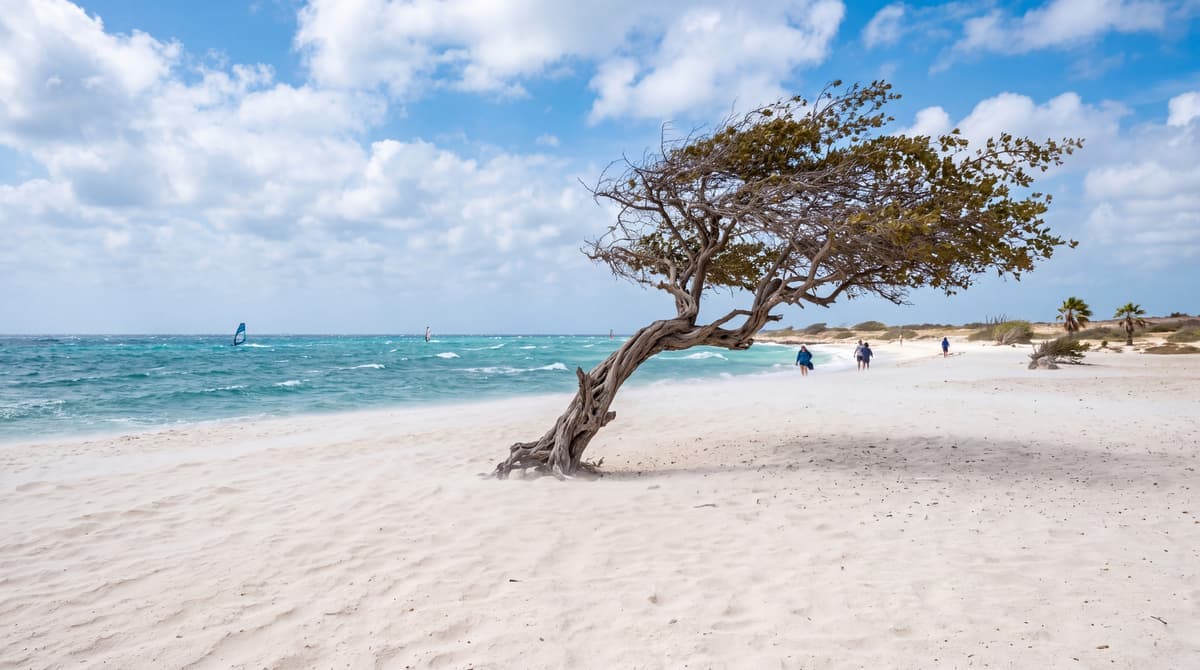
Second, the wind almost never stops. Aruba's trade winds blow steadily, typically 15 to 22 mph, and a mosquito is a weak flier that cannot hold its ground in that kind of breeze. On the exposed western beaches the air is moving all day, which is exactly why the high-rise strip stays close to bug-free. Between the drought and the wind, the mosquito that causes so much trouble elsewhere in the Caribbean never builds the numbers here that it does on the big, wet islands.
Want a local to plan the whole trip?
Our concierge builds your days around what you actually want, from $149. Real people who live in Aruba.
When you will actually notice them
The bugs are not spread evenly across the year or the day. You are most likely to meet a mosquito in Aruba in a few predictable windows.
After the rains, roughly October through January. This is the island's slightly wetter stretch, and a few days after a good shower is when any pooled water turns into a new batch of mosquitoes. If you are visiting in the fall or early winter, you will notice them a little more than a dry-season visitor would. The honest caveat cuts the other way too: showers here are usually short, so this is a mild seasonal uptick, not a plague.
At dusk and just after sunrise. As almost everywhere, they come out at the soft edges of the day. A sunset dinner on a still evening is the classic moment to feel something nibbling around your ankles.
On the rare calm night. The wind is your bug screen, so the uncommon evening when the breeze drops is the one where they get a foothold, especially away from the beach.
Traveling with little ones
Land with the crib already sorted
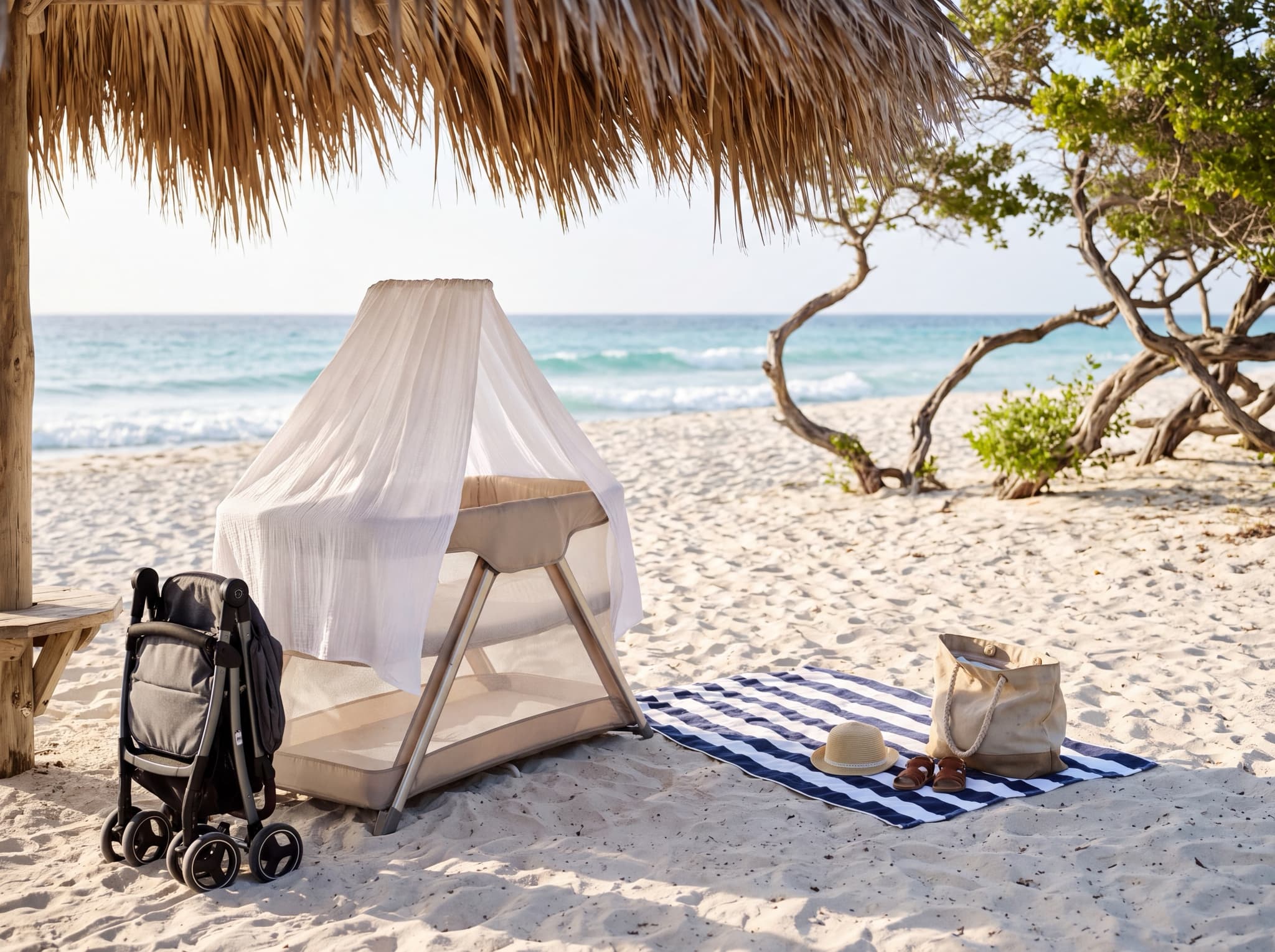
A full-size crib, stroller, and car seat rarely fit in the luggage. Local BabyQuip providers deliver the gear to your hotel or rental for your dates and collect it when you fly home, cleaned and insured per their standards. Pick what you need, see the price for your stay, and board with carry-ons instead of cargo.
- Cribs, pack-and-plays, and toddler beds
- Car seats sized to your child
- Strollers, wagons, and beach gear
Delivered by independent BabyQuip providers on the island. We may earn a commission at no extra cost to you.
Where the bugs are, and where they are not
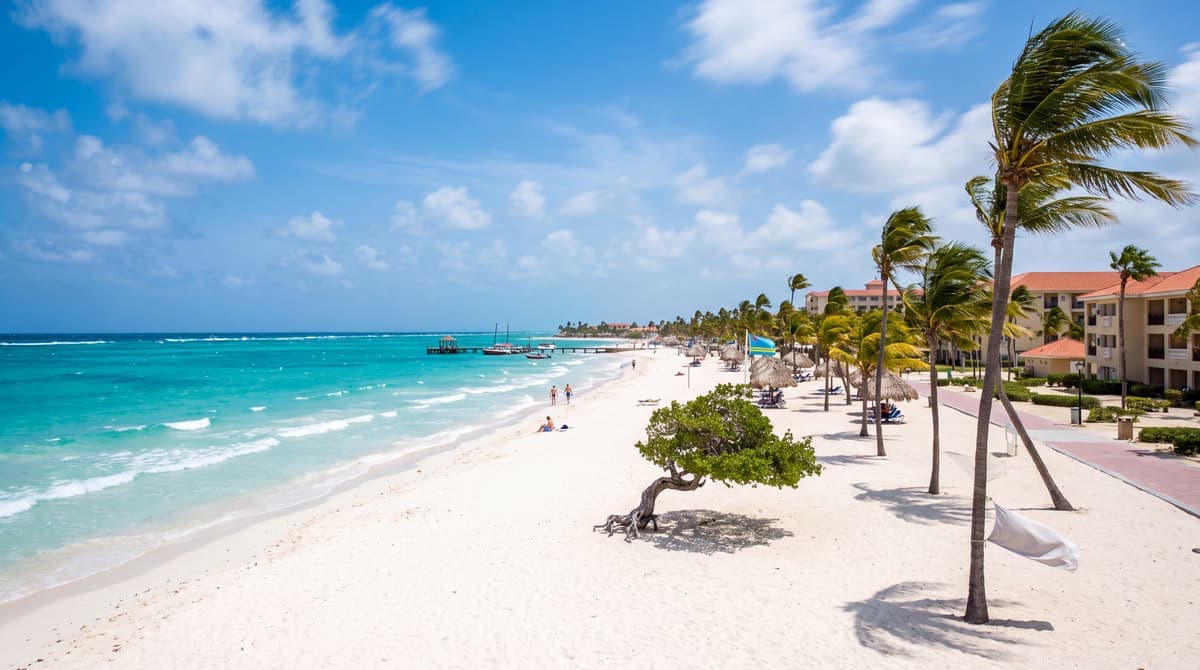
Palm Beach and the high-rise strip: nearly bug-free. Palm Beach and the resort district around it are breezy, air-conditioned, and screened, which is about as inhospitable to a mosquito as it gets. The caveat: an outdoor dinner right at dusk on a low-wind evening can still turn up a few, so a quick swipe of repellent before you sit down is a smart habit.
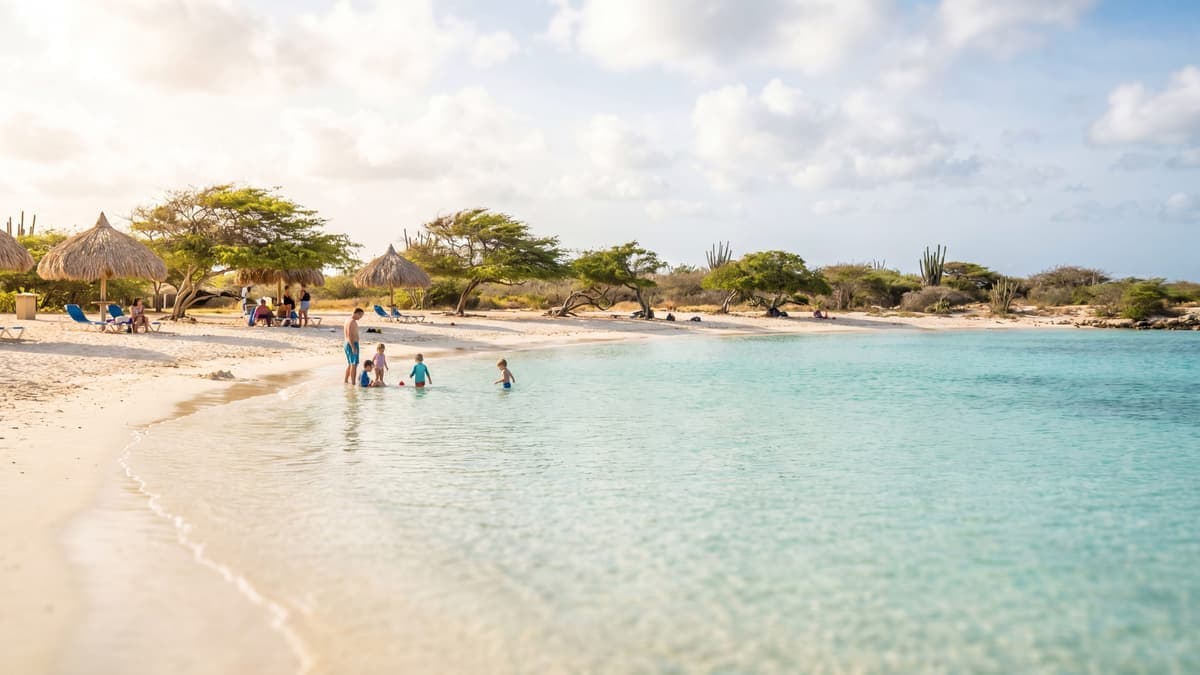
Eagle Beach and the low-rise strip: a touch more at golden hour. Eagle Beach is calmer and more residential, with less of the constant swirl of wind that high-rise towers throw off, so you may notice a few more in the late-afternoon golden hour. It is still very mild by Caribbean standards.
Inland, residential, and around San Nicolas: the most, relatively. Away from the coast and the wind, in neighborhoods and gardens and the quieter south of the island, mosquitoes have more shelter and more standing water to work with. If you are renting a house or apartment inland rather than a beachfront resort, this is where you would want repellent within reach. The caveat: even here it is nothing like a jungle destination, just noticeable rather than absent.
Near the mangroves: bring repellent. The mangrove pockets on the calmer south coast, like the ones around Mangel Halto and Spanish Lagoon, are the one genuinely buggy setting on the island, precisely because they hold still water and cut the wind. They are wonderful for snorkeling, and worth a spray of repellent if you are there at the edges of the day.
The other tiny biter: no-see-ums
Mosquitoes are not the only thing that bites here. Aruba also has no-see-ums, the tiny sand flies you cannot spot until the itch shows up a while later, and they can appear on some beaches at dawn and dusk, especially in calmer, weedier spots rather than on the wide-open resort sand. They are more nuisance than threat, but they are the reason a few travelers who "never saw a mosquito" still go home with a couple of mystery bites. The same repellent handles both, and a breezy midday beach has almost none of either.
Do you actually need bug spray in Aruba?
Short answer: pack a small one, then probably barely use it. Most beach-strip visitors could get through an entire trip without it, but the person who reacts badly to bites, or anyone planning sunset dinners, mangrove snorkels, or an inland stay, will be glad it is in the bag. An EPA-registered repellent with DEET or picaridin is the reliable choice for evenings.
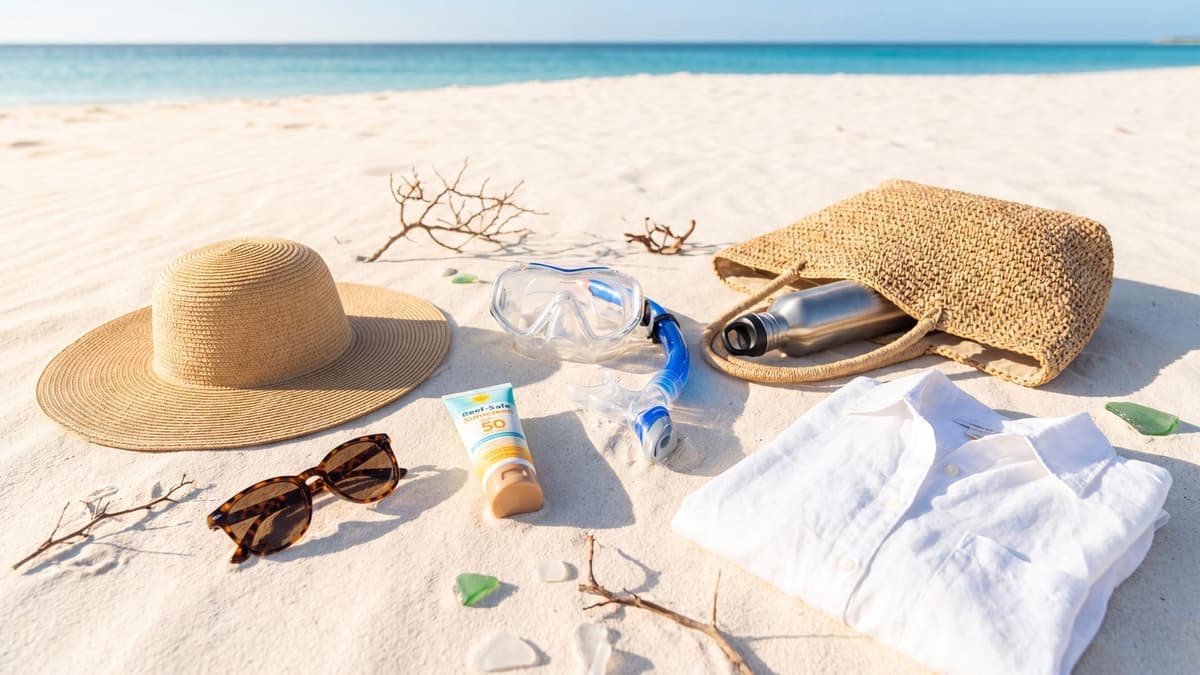
One point that trips a lot of people up: Aruba's famous sunscreen rule and insect repellent are two completely different things. The island banned reef-harming sunscreens, the ones containing oxybenzone and octinoxate, back in 2020 to protect the coral, so you do want a reef-safe mineral sunscreen. That ban is about sunscreen, not repellent, so bringing bug spray is entirely fine. Our full Aruba packing list covers both, plus the reef-safe sunscreen types that pass.
Let us plan this trip for you
We live in Aruba and vet every spot ourselves, share your dates and we'll build the rest.
A quick, honest word on mosquito-borne illness
Because someone always asks. Aruba is malaria-free, so there are no malaria pills to think about for any part of the island. The mosquito-borne illnesses that circulate elsewhere in the Caribbean, mainly dengue, do exist here too, but at markedly lower levels than on the big, wet islands, for the same drought-and-wind reasons above. The US CDC lists Aruba at Level 1, its lowest travel-health category, which means practice the usual precautions. None of that is cause for worry, and none of it is medical advice. It is just the reason the sensible move is the boring one: prevent bites, which you would do anyway. As with any international trip, it is worth a glance at the CDC's current Aruba page and a word with your own doctor about routine vaccines before you go.
The bottom line
Of all the things worth planning for an Aruba trip, from the wind to when to come to staying out of the strong currents on the wild windward side, bugs sit near the bottom of the list. Toss a repellent in the bag, save it for sunset and the mangroves, and spend the rest of the week not thinking about it. When you are ready to shape the actual days, tell us how you like to travel on the trip planner and we will build them around the breezy, easy version of the island.