Chapter 02 · Beaches
The beaches we actually keep going back to
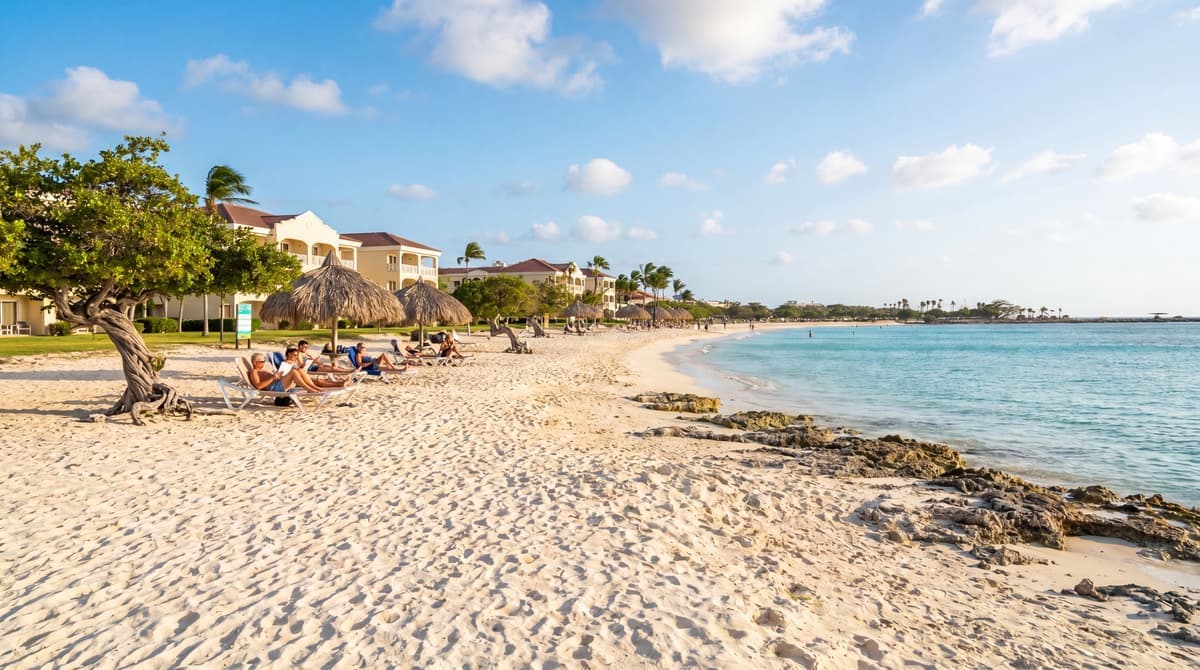
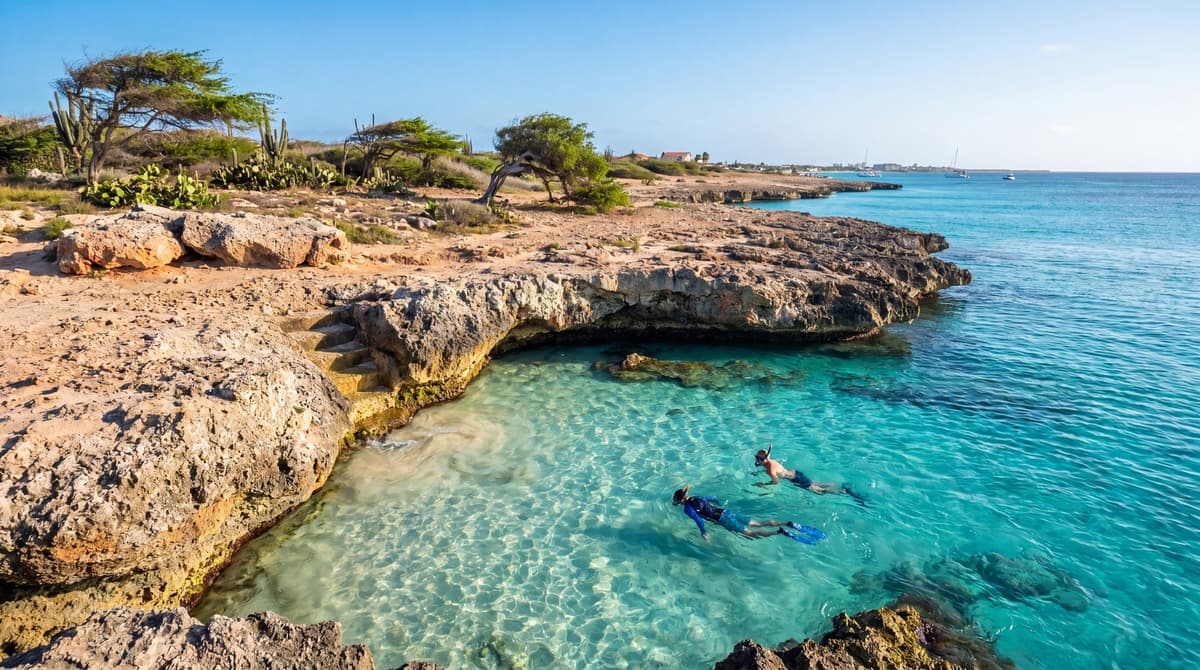
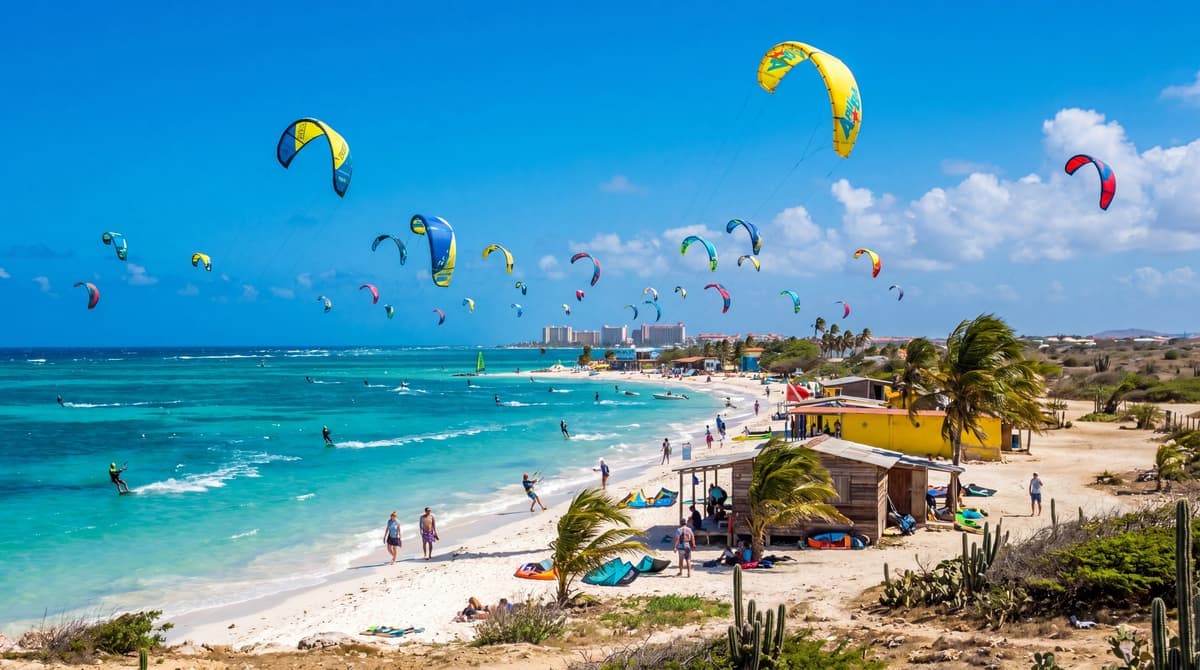
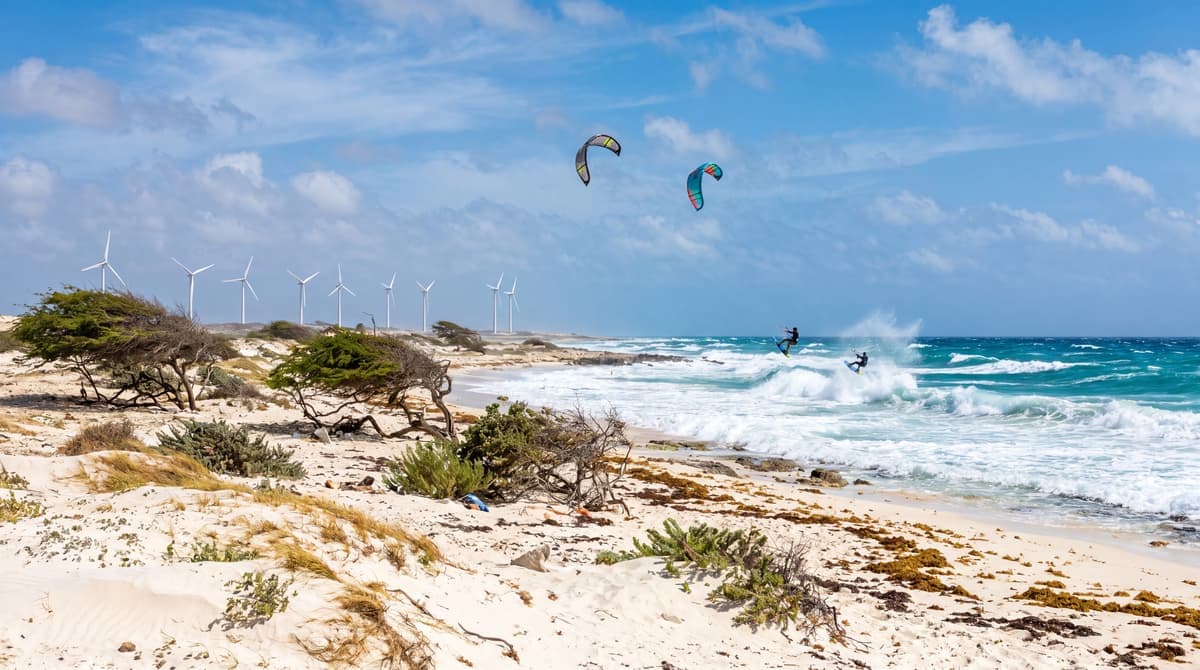
Our honest ranking of the best beaches in Aruba: 12 hand-tested, from the wide white sand you picture to the snorkel coves locals keep quiet. We've been to every one, so you get the truth about each.
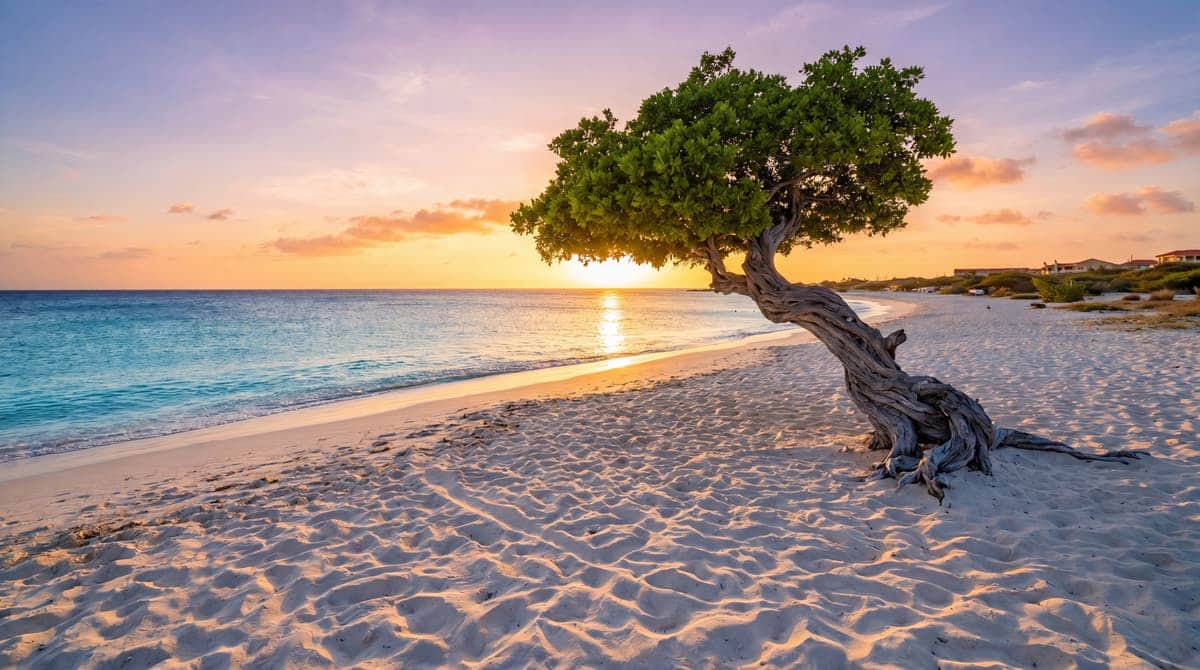
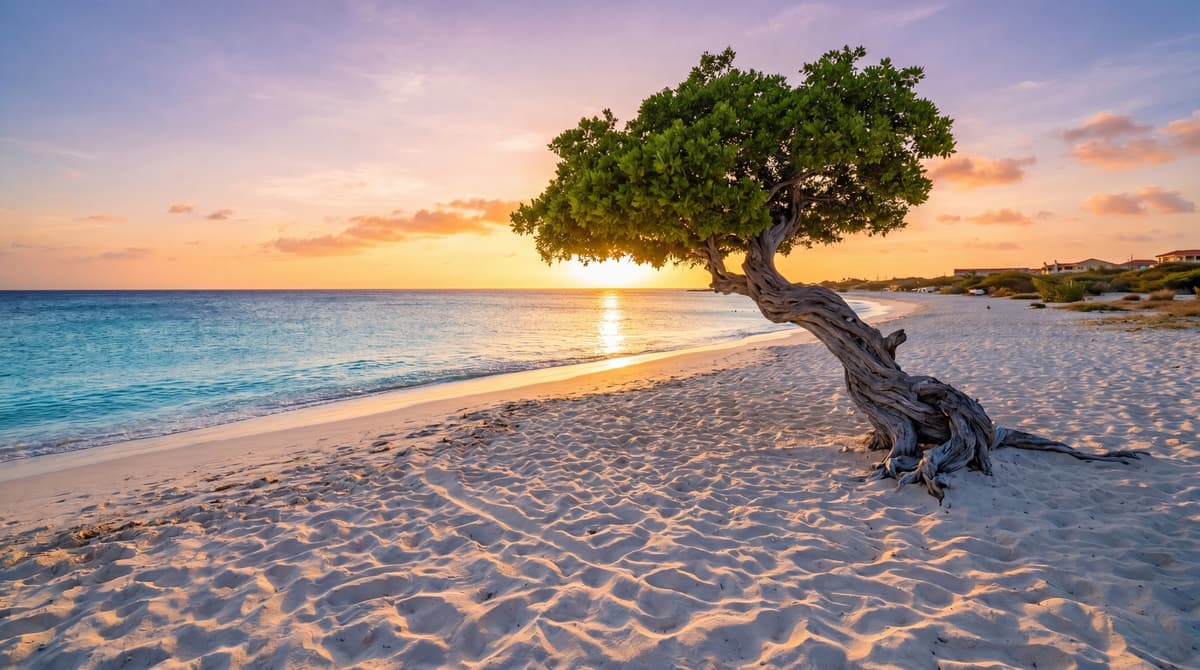
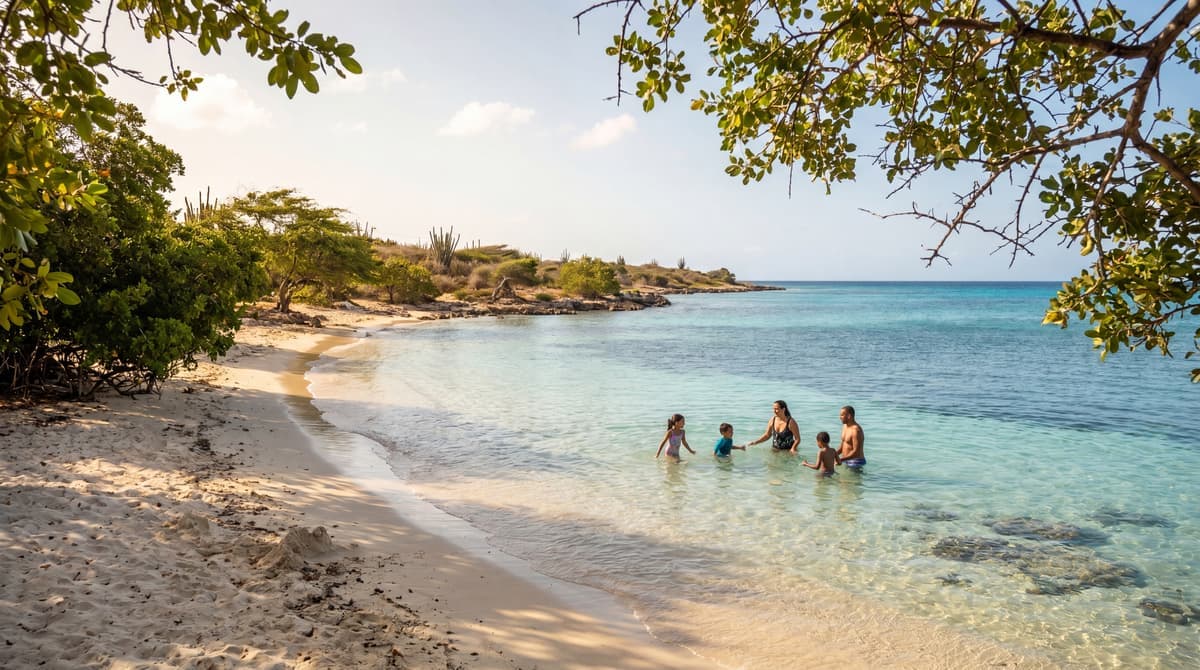
Eagle Beach, the wide one with the fofoti trees12 beaches, every one personally tested
Torn between the two big ones? Read our Eagle Beach vs Palm Beach face-off to pick your coast before you book a hotel.
The local team
Wondering which beach fits your trip?
We are a local team, and we know which beach catches the light in March versus August. The free planner puts that into a day-by-day week, in English or Dutch. Prefer to hand it over? Personal trip planning by our local team starts at $149.
Booked direct
On Eagle Beach, booked direct
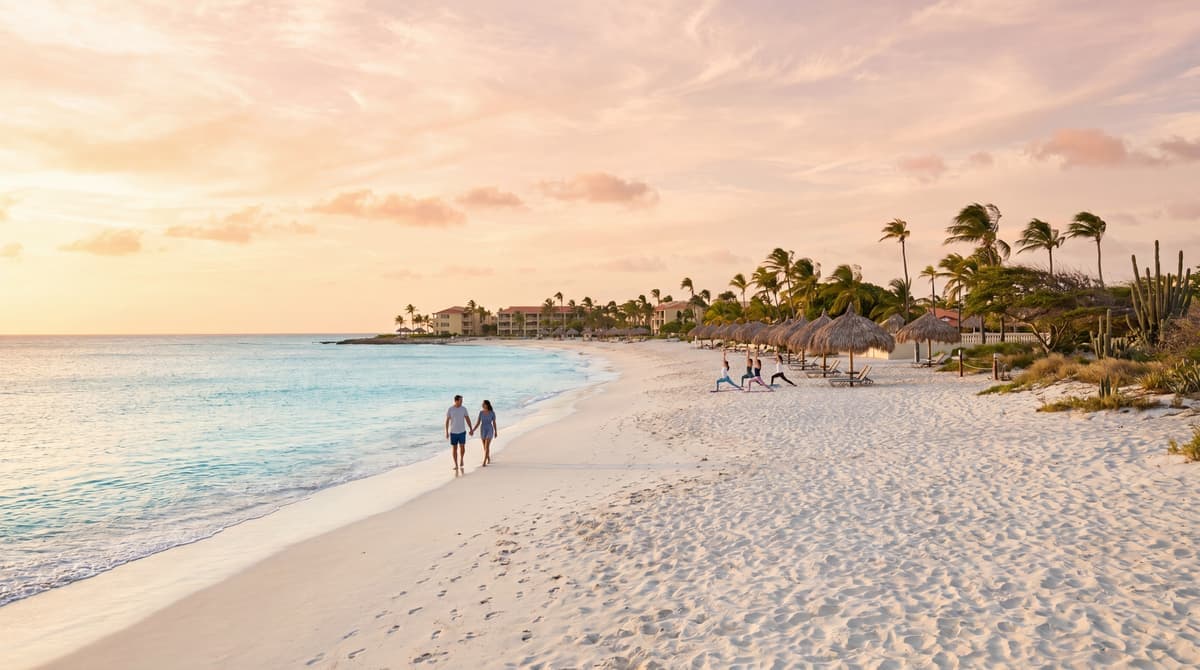
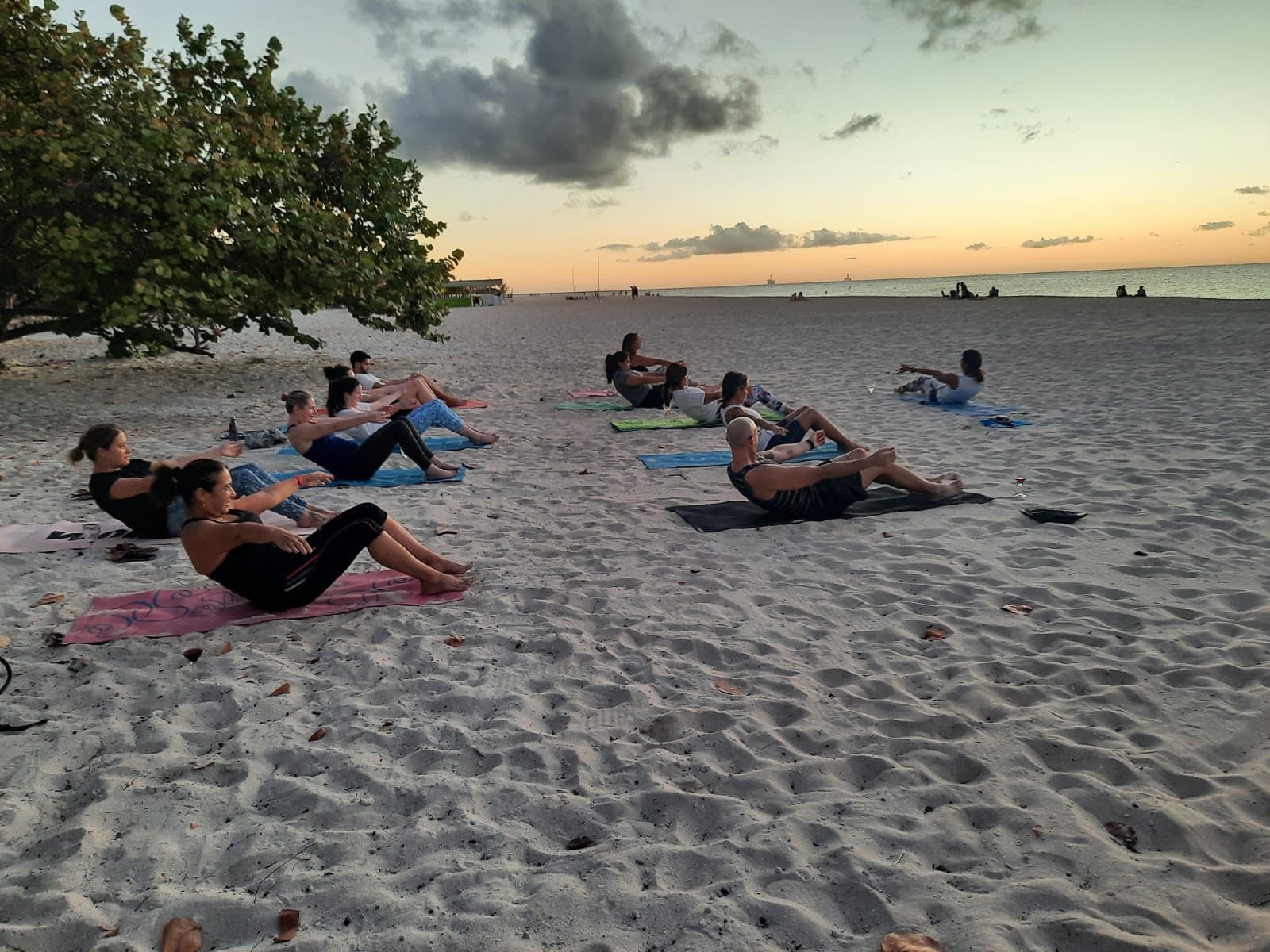
Two morning sessions on the sand at Eagle Beach, arranged with the instructor who runs them rather than through a platform.
$30 per person
Beach yoga on Eagle Beach
An all-levels hour on the sand that closes with a ten minute sound bath of singing bowls and gongs.
Tuesdays and Fridays, 9:30 AM
- How you book:
- Reserved here, confirmed once the deposit is paid
- Price:
- $30 per person
- Deposit:
- $6 per guest, taken out of the price rather than added to it.
- Balance:
- $24 per guest, paid to your instructor by Zelle the day before. Nothing beyond the deposit is charged on this site. Zelle needs a US bank account on both sides, so without one you settle with the crew on arrival instead.
$40 per person
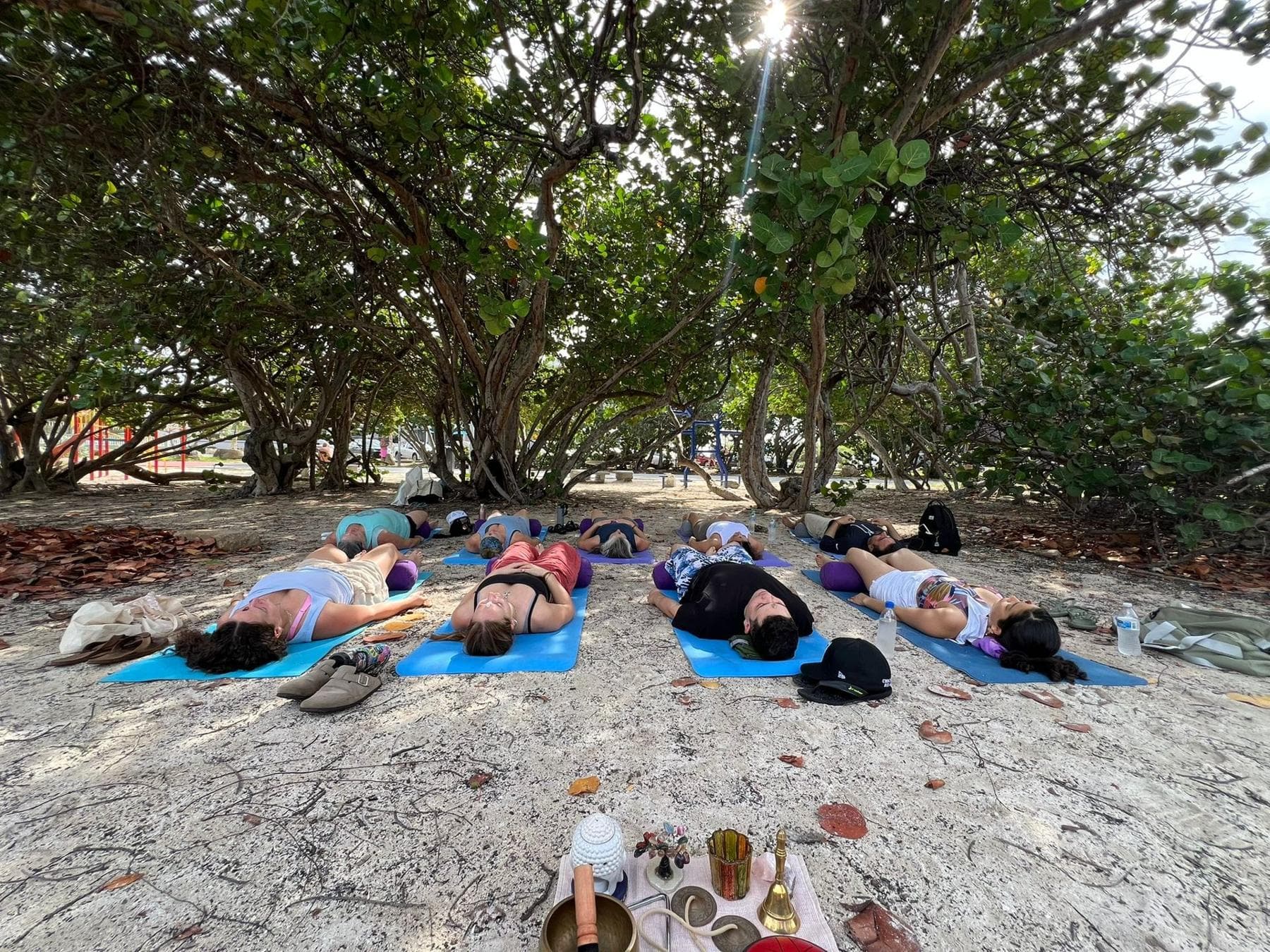
Sound healing and meditation on Eagle Beach
Chakra opening, guided meditation, and the long wash of singing bowls with the sea as the backing track.
Mondays 10:15 AM and Thursdays 9:30 AM
- How you book:
- Reserved here, confirmed once the deposit is paid
- Price:
- $40 per person
- Deposit:
- $8 per guest, taken out of the price rather than added to it.
- Balance:
- $32 per guest, paid to your instructor by Zelle the day before. Nothing beyond the deposit is charged on this site. Zelle needs a US bank account on both sides, so without one you settle with the crew on arrival instead.
Where to stay
Sleep close to the good sand
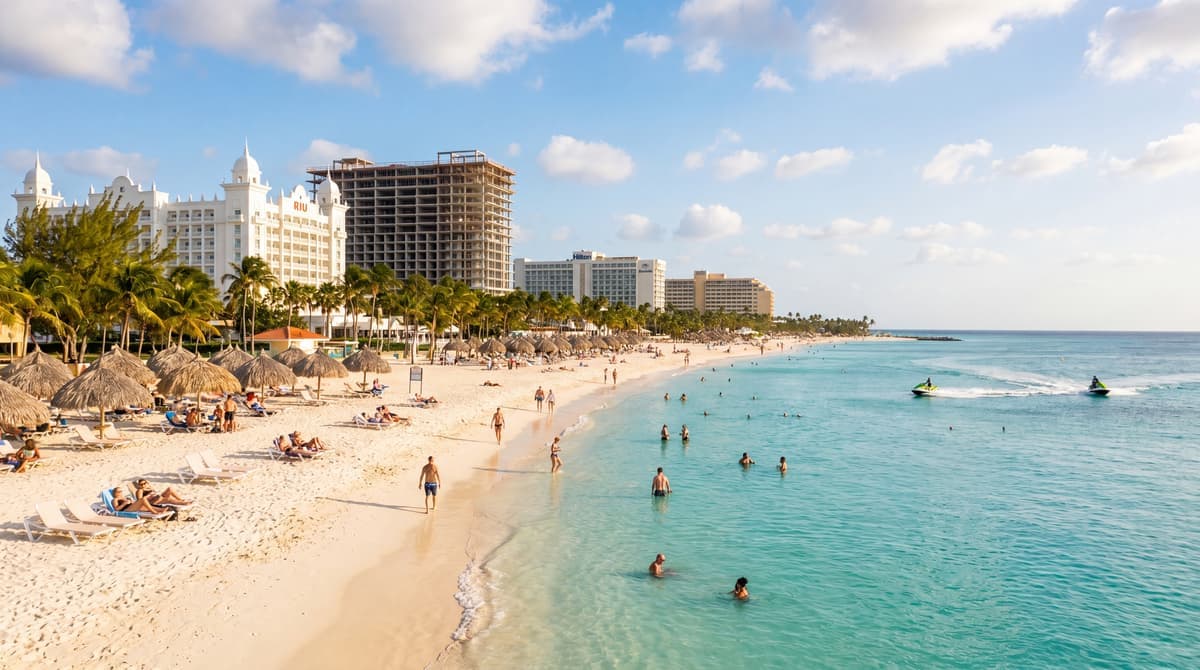
Most of these beaches are a short walk or drive from Palm and Eagle Beach. See what a room runs for the dates you have in mind.
Where to stay
See what your dates cost
Pick a side of the island, set your dates, and read the real numbers on Agoda before anything is decided.
Dates and travellers start on a sample week for 2 adults in 1 room. Change anything above and the prices follow it.
Prices compare right here on the site. Or browse every Aruba stay. We may earn a commission at no extra cost to you.
Which side of Aruba is yours?
Palm Beach or Eagle Beach is the one call that shapes the whole trip. Answer five quick questions and get your coast, your stays, and a plan matched to how you want the week to feel.
Straight answers
Before you pick a stretch of sand
The questions we get most about picking a beach, answered from the same list you just scrolled.
How many beaches in Aruba are on this list?
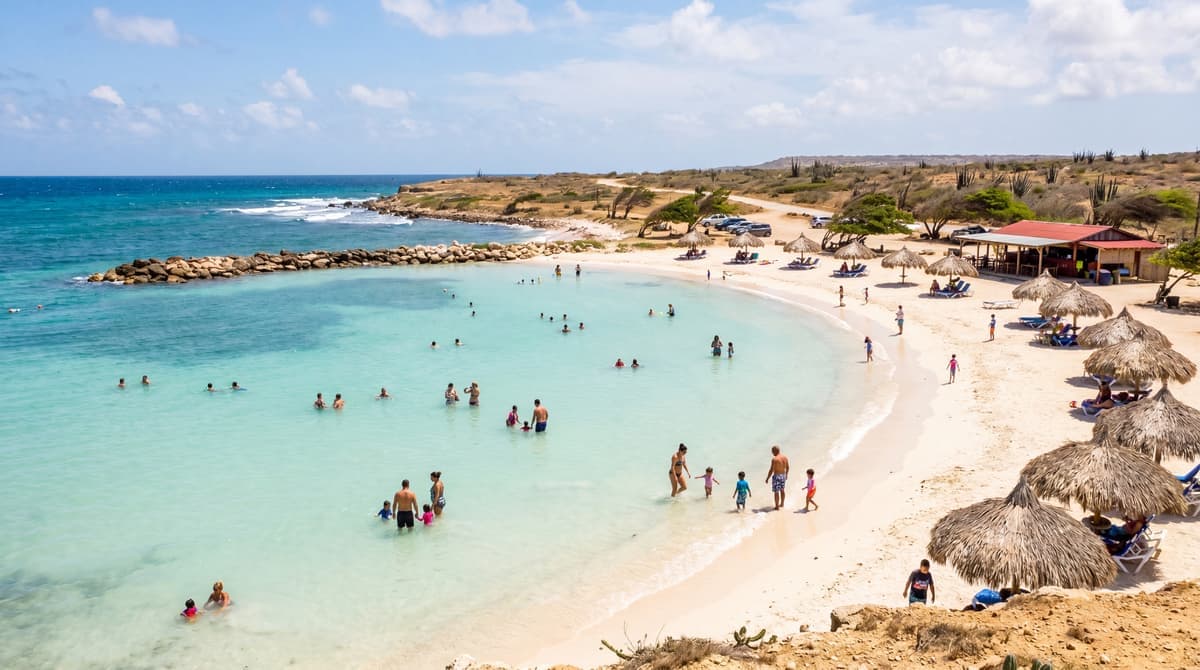
12, and we have been to every one ourselves. Use the filters above the grid to narrow them by vibe, snorkeling, or the lesser-known picks.
Which Aruba beaches are best for snorkeling?
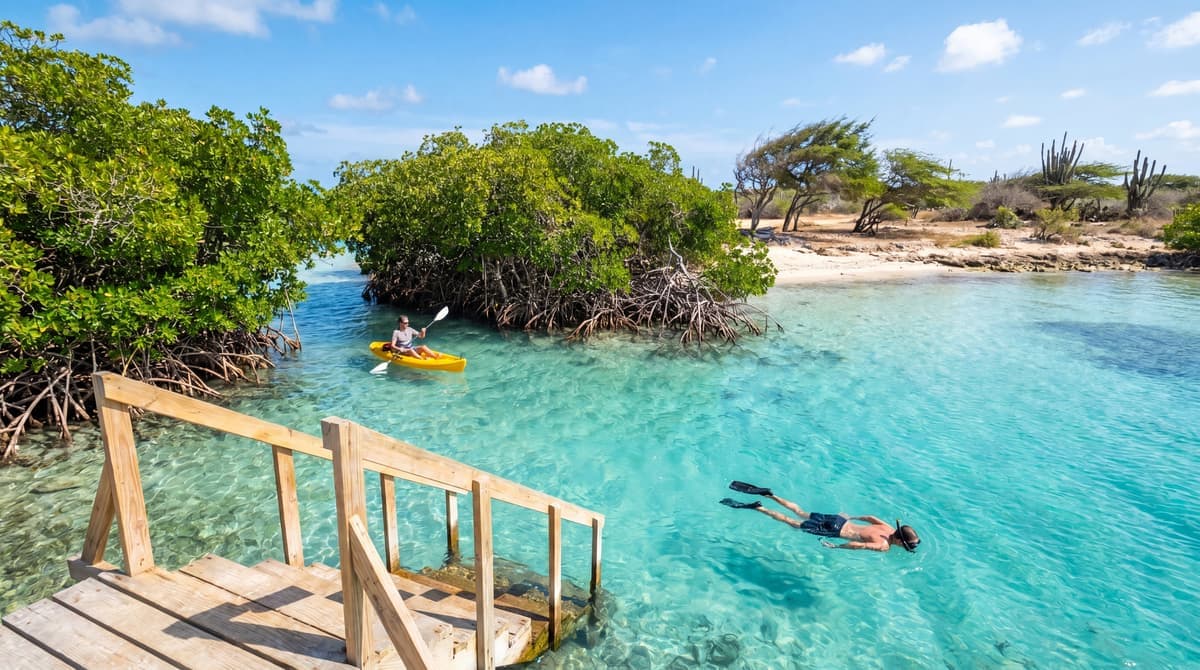
5 of our 12 picks are genuine snorkel spots: Baby Beach, Arashi Beach, Boca Catalina, Mangel Halto, Tres Trapi (Three Steps). The Snorkeling filter shows exactly these.
Are there quieter, lesser-known beaches in Aruba?
Yes. 6 of the beaches we rank are lesser-known spots most visitors never find. Tap the Lesser-known filter to see only those.
Can I book a hotel near these beaches from this page?
Yes. The stay search further down the page takes your dates and hands you straight to Agoda's live rates for them; when a room fits, the booking finishes on Agoda at their price. Aruba Playbook may earn a commission at no extra cost to you.